
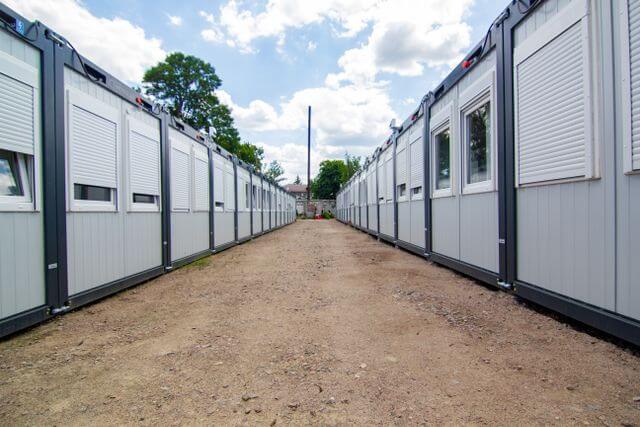
Traditional building methods often face unpredictable hurdles that stall completion dates and push projects over budget. Bad weather, supply line interruptions, and labor shortages frequently combine to create costly bottlenecks.
Companies lose money when timelines stretch past their original deadlines, driving up overhead expenses. Switching to advanced building techniques helps project managers avoid these common setbacks from day one.
Parallel Processing Accelerates Timelines
Conventional building relies on a linear timeline where one step must finish before the next begins. Site excavation and foundation pouring happen first, meaning no actual structural assembly can take place for weeks or months. Workers spend long hours waiting on concrete to cure while materials sit in storage exposed to external elements. This slow progression leaves the entire schedule vulnerable to sudden disruptions.
Modular building alters this process by splitting the workload into two simultaneous paths. Teams prepare the job site, dig foundations, and lay utility lines outdoors while fabricators assemble the building sections inside a factory.
This dual-track system removes the standard waiting periods that stall traditional jobs. Organizations exploring fast-track construction options often click here to learn more about temporary buildings, fabric structures, and utility trailers that support efficient project delivery. Bringing both phases together reduces the overall project timeline and gets facilities operational much faster.
Controlled Factory Environments Eliminate Weather Delays
Outdoor worksites remain vulnerable to shifting weather patterns that freeze productivity. Heavy rain, snowstorms, and extreme heat waves force crews to halt operations for days at a time. Moisture trapped during wet weather can also warp wood framing, rust exposed steel beams, and ruin sensitive drywall materials. Repairing this environmental damage takes extra labor and drives up expenses.
- In-factory manufacturing shields materials from moisture, wind, and freezing cold temperatures.
- Tools, hardware, and structural components stay organized in dry, temperature-regulated warehouses.
- Technicians work through harsh winters or summer storms without losing a single hour of production time.
- Quality control inspectors check every module at specific stations before the pieces ever leave the building.
Moving the assembly process indoors removes the gamble of seasonal weather disruptions. Crews on-site focus entirely on preparing the land and foundations while the building takes shape miles away. By the time the units arrive, the site is fully ready for immediate installation.
Standardized Supply Chains Streamline Inventory
Sourcing building supplies across multiple vendors often leads to major delivery hiccups. A single late shipment of specialty steel or custom windows can cause a domino effect that stops all progress. Local material shortages force managers to hunt for alternative suppliers, which usually costs more money and wastes valuable weeks.
Manufacturing hubs solve this problem by keeping large quantities of standard materials directly on hand. These facilities maintain strong relationships with national distributors and buy lumber, steel, and insulation in bulk. Reliable supply networks help prevent the surprise shortages that catch independent contractors off guard.
Maximizing Labor Productivity and Safety
Scattered outdoor jobsites face high employee turnover and sudden staffing shortages. Workers must commute to remote locations, navigate tight spaces, and handle heavy tools in hazardous conditions. Managing multiple specialized subcontractors – like electricians, plumbers, and drywall installers – requires constant scheduling adjustments that easily fall out of sync.
- Fixed factory settings allow teams to specialize in specific assembly line roles.
- Advanced cutting machinery and overhead cranes handle heavy lifting to lower the risk of injury.
- Electricians and plumbers route wires and pipes through open framing before walls are closed up.
- Ergonomic indoor workstations keep labor efficiency high and reduce physical fatigue.
A stable, permanent workforce finishes tasks much faster than shifting crews on an outdoor build. Factory teams repeat identical assembly processes daily, which minimizes human error and reduces mistakes. This structured environment keeps human resources steady and predictable throughout the build.
Simplifying Site Logistics and Traffic
Bringing hundreds of separate delivery trucks onto a live construction site creates massive logistical headaches. Urban zones offer very little space for storing bulky materials, creating tight bottlenecks for unloading equipment. Large crowds of delivery drivers, heavy machinery operators, and local traffic often clash, leading to long delays and safety hazards.
Pre-built modules eliminate the need to coordinate endless individual material drop-offs. Transport teams haul completed structural pieces directly to the site on flatbed trailers for fast installation. Cranes lift each module straight from the truck bed and drop it onto the permanent foundation. This organized delivery process keeps local roads clear and minimizes disturbance to nearby neighborhoods.
Enhanced Structural Predictability and Scale
Designing a large commercial building from scratch often introduces unexpected structural complications. Field corrections require architects to revise plans, which stalls physical work while waiting for official approvals. These last-minute adjustments balloon budgets and extend timelines by weeks.
Industrial fabrication relies on digital blueprints and automated machinery to ensure millimeter-level accuracy. Every wall panel, floor joist, and ceiling grid matches the exact dimensions every single time.
Choosing off-site assembly protects commercial builds from the common hazards of traditional construction. Simultaneous site prep and factory production cut project schedules down significantly. Eliminating weather delays, labor shortages, and supply chain bottlenecks ensures predictable timelines from start to finish.

