
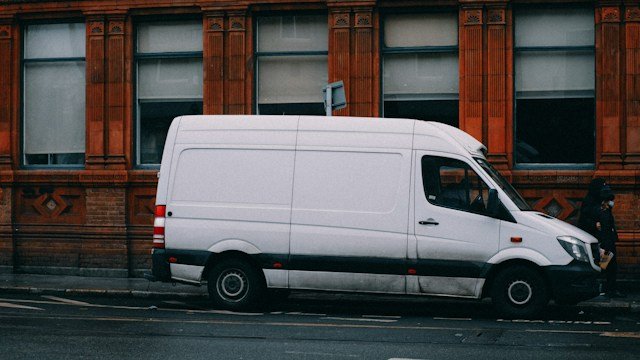
Vehicle downtime quickly disrupts delivery windows, driver schedules and customer expectations. Last-mile fleets face especially hard service because vans spend their days carrying changing loads, stopping frequently and traveling over uneven streets. Preventing breakdowns requires managers to track the small problems that develop under those conditions.
A consistent inspection process, sensible equipment choices and driver training can keep vehicles available while reducing emergency repair costs.
Urban Hazards and Van Suspension Wear
Potholes, raised utility covers, curbs and speed bumps place repeated stress on suspension parts. These hazards add to the broader last-mile delivery challenges created by congestion, parking limits and tight delivery schedules. A van may absorb hundreds of minor impacts during a single shift, especially on dense urban routes.
Ask drivers to report new vibrations, pulling or clunking sounds as soon as they notice them. Weekly inspections should cover shocks, struts, springs and suspension bushings. Uneven tire wear can also point to alignment or suspension trouble. Record the route and odometer reading when a problem appears. If several vans develop similar faults on the same route, dispatchers can adjust that route or schedule more frequent inspections for the assigned vehicles.
Upgrading Critical Load-Bearing Hardware
Load ratings should guide every wheel and tire replacement. A component that fits physically may still be unsuitable for a delivery van’s weight, cargo pattern or daily mileage. Confirm the vehicle manufacturer’s specifications, then account for tools, shelving, parcels and occupants. Loads also need to remain secure and evenly distributed so one axle doesn’t carry excessive weight.
When damage, corrosion or repeated balancing issues justify replacement, operators can compare properly rated aftermarket wheels and vehicle-specific fitment options. Confirm diameter, width, offset and load capacity before ordering. Installation should include correct fastener torque and a follow-up torque check after the recommended break-in distance. Keep purchase details and fitment records in the vehicle file so future replacements match the approved setup.
Driver Habits That Save Tires
Drivers have a direct effect on tire life. Hard cornering, abrupt braking and frequent curb contact increase tread wear and can damage sidewalls. Training should focus on smooth acceleration, longer following distances and slower approaches to rough pavement. These habits also reduce strain on brakes and suspension components.
Require a brief walkaround before each shift. The driver should look for cuts, bulges, embedded objects and visibly low pressure. Tire pressure needs to be checked with a gauge when the tires are cold, using the vehicle manufacturer’s specification instead of the maximum figure printed on the tire. Dispatchers should also avoid assigning a heavily loaded van to a route without confirming its capacity. A two-minute inspection can catch a slow leak before the vehicle leaves the depot and misses multiple stops.
Building Predictable Service Cycles
Set service intervals using mileage, operating hours and route conditions. Mileage alone can hide demanding use because a van covering short urban routes may run for hours while accumulating relatively few miles. Frequent braking, idling and repeated starts still accelerate wear.
Maintenance software or a shared fleet log can track inspections, alignment checks, tire rotations and recurring repairs. Use the records to identify patterns. For example, repeated front-tire replacement may signal an unresolved alignment problem, while recurring damage on one route may justify a schedule change. Research into sustainable last-mile delivery also shows how operational planning and fleet decisions affect delivery efficiency. Schedule planned work during low-volume periods and keep common service parts available to shorten turnaround time.
A useful service calendar reflects how each van actually works. Review maintenance records monthly, flag repeat faults and move vehicles into the shop before a worn tire or loose suspension part turns an ordinary service appointment into an unplanned day off the road.

