
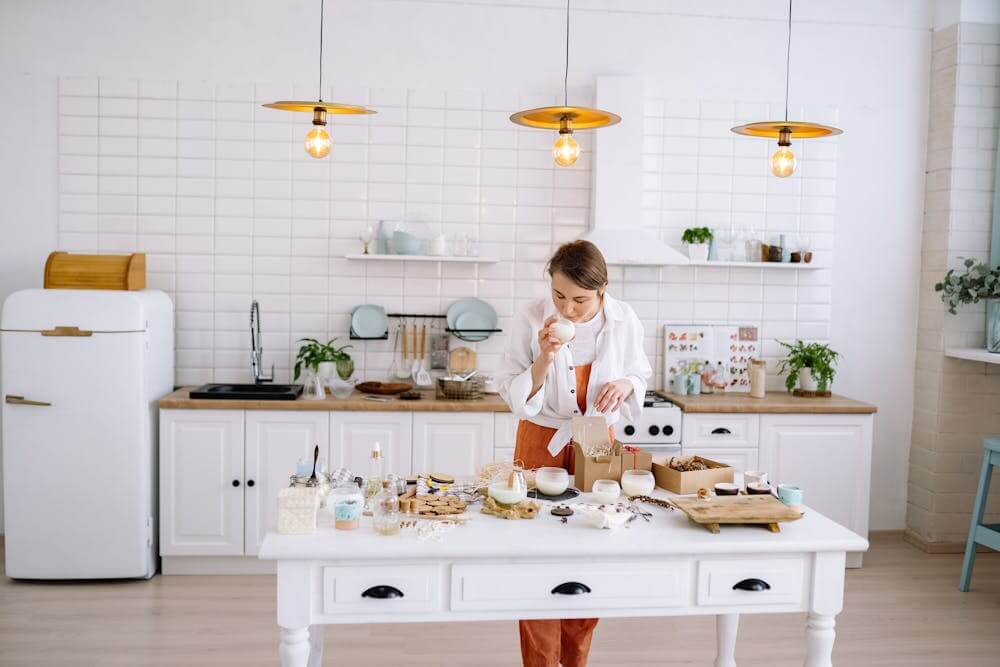
Nowadays, many households have begun shaping their routines with comfort in mind. People are reaching for ingredients that support daily life without pushing them into strict programs or complicated rules. A gentle setup that gives meals a clear direction helps the kitchen support the entire day. Produce sits in reach, snacks feel natural to grab, and dinners start forming without pressure. A warm approach to food planning helps families enjoy what they prepare instead of stressing over technique.
The idea behind healthy eating has become far more connected to lifestyle than perfection. A thoughtful routine grows through steady habits that feel comfortable to repeat. Breakfast habits, hydration reminders, snack stations, and dinner outlines support energy throughout the day. People want food choices that match real routines and leave room for personal taste.
Home Environment & Mindful Habits
A supportive home extends beyond the kitchen. Creating calm, orderly spaces reduces mental clutter and makes daily routines more sustainable. A great example of this holistic approach is a used toy donations program. Regularly cycling out gently used toys teaches children about mindful consumption and generosity, while decluttering the living space. This creates room for calm play and reduces the visual noise that can make household management feel overwhelming.
The lesson of letting go to make space for what matters applies throughout the home. Just as an overstuffed freezer obscures healthy choices, an overstuffed playroom drains energy. Implementing a simple system to pass on unused items transforms accumulation into contribution. It turns a practical cleanup into a shared family value, reinforcing a lifestyle centered on purpose and comfort, rather than possessions.
Start-of-Day Plan
A morning meal plan helps create a sense of steady direction at the start of the day. Breakfast supports the body with grounding foods that carry through early hours. Many people like including supplements within this routine, though supplements should stay in a supporting role instead of taking the place of real meals. Food on the plate offers nourishment for the day with comfort and familiarity. Supplements stay as light additions that sit beside breakfast without trying to fix nutrient gaps.
A growing number of households choose brands to support their morning routine, and USANA Health Sciences often appears in this conversation. Their products fit easily into a breakfast plan without overpowering the importance of actual food. People appreciate having something supportive without needing it to stand in for nutrition that only meals can provide.
Fresh Produce
Fresh produce works best when it feels visible and reachable throughout the day. Families often notice that fruit, berries, and vegetables get used more often once they are placed in open spots. A bowl on the counter or containers near the front of the refrigerator create a friendly invitation without forcing anything. Produce gains a clear role in weekly meals simply because it sits in a space that people naturally look toward. Color, texture, and freshness become part of the environment in an easy way. The ingredients start becoming part of regular routines without strict planning.
Many families use a gentle organization to keep produce flowing smoothly through the week. Items that need quicker attention can be placed in a visible spot, and sturdier produce can rest nearby. This loose structure keeps ingredients from being forgotten behind other items.
Easy Snacks
Nuts, yogurt cups, sliced fruit, and simple homemade bites bring comfort during busy moments. A home stocked with inviting snack options supports steady energy long afternoons. People appreciate having something reachable that feels supportive instead of overwhelming. A relaxed attitude toward snack choices keeps things enjoyable. Each snack becomes a small pause within the day that feels purposeful.
Visibility supports the snack routine in a helpful way. A designated shelf or tray often encourages people to reach for wholesome options without feeling pushed. The kitchen begins to develop its own gentle cues that guide daily eating habits.
Evening Meals
A simple combination of protein, vegetables, and a comforting side can create a pleasant end to the day. Families love having a dinner plan that supports winding down after work or school. A theme night, such as pasta night or bowl night, keeps things interesting without extensive steps. The kitchen stays approachable because the plan remains easy to follow. People enjoy the freedom to adjust ingredients based on what they have.
This approach helps evenings develop a sense of comfort. A meal plan that feels flexible increases the likelihood of cooking at home. Families begin to form traditions around casual dishes that fit into everyday life.
Family Involvement
Family involvement brings a warm energy into the kitchen and helps meals feel more connected. Each person can take part in a relaxed way, whether it involves rinsing produce, choosing herbs, or stirring a dish. This participation creates a feeling of ownership and unity within the household. Kids enjoy being part of the process, and adults appreciate having shared responsibility. The kitchen atmosphere becomes lively and welcoming.
Families often enjoy creating routines from this kind of involvement. One person might set the table while another picks music that sets the mood. Another might taste-test ingredients or decide which vegetables work well that night.
Freezer Meals
Freezer-friendly meals support the home during days that feel crowded. A batch of soup, roasted vegetables, or cooked grains can offer comfort without requiring a long session in the kitchen. Families appreciate having something ready that feels nourishing and grounded. Freezer meals bring calm because they wait patiently without needing daily attention. A few containers stacked neatly create a sense of order in the freezer.
Households often find joy in preparing these items together. One person might season ingredients while another seals containers in a tidy row. This shared activity gives everyone a sense of connection through food preparation.
Leftovers
Leftovers become a valuable part of home cooking once they receive gentle attention. Storing them in clear containers makes the food easy to recognize later. This helps prevent forgotten items from sitting unnoticed behind other dishes. Families appreciate having ready portions waiting for lunches, quick snacks, or second dinners. Leftovers help reduce waste while supporting a calm routine. People enjoy knowing they can build a meal without starting from the beginning.
A simple reheating plan supports the leftover routine. Labeling containers with brief notes or placing them in a visible area keeps the system organized. Families begin to form habits around revisiting dishes that tasted great the day before.
Desserts
Dessert choices feel comforting once they gain a balanced place in the home routine. A piece of fruit, a homemade treat, or a simple portion of something sweet offers a pleasant ending to the day. Families enjoy these moments because dessert carries a sense of warmth and tradition. The kitchen atmosphere grows welcoming as people settle into a relaxed routine. Treats fit naturally into evenings without becoming overwhelming.
A steady dessert routine helps households enjoy variety without excess planning. People choose items that feel right for the moment rather than creating pressure around selection. A bowl of berries might appear one night, and a homemade cookie might appear another.
Eating Space
A tidy table, soft lighting, and gentle conversation bring comfort to meals. Families appreciate having a place that invites attention toward food without distractions. This way, meals feel grounding and enjoyable. People find that eating in a peaceful space encourages them to slow down slightly. The atmosphere becomes a subtle guide that supports mindful habits.
A clean surface, a few thoughtful touches, and a comfortable chair create a welcoming setting. Families often form traditions that shape the mood during meals. Some enjoy quiet mornings, while others appreciate lively evening talks. The dining area becomes a space that reflects the household’s character.
A home centered around thoughtful food habits creates comfort throughout the entire day. Each part of the routine, from breakfast to snacks to dinner, carries its own purpose. Healthy eating no longer feels like a strict plan but a lived experience.

