
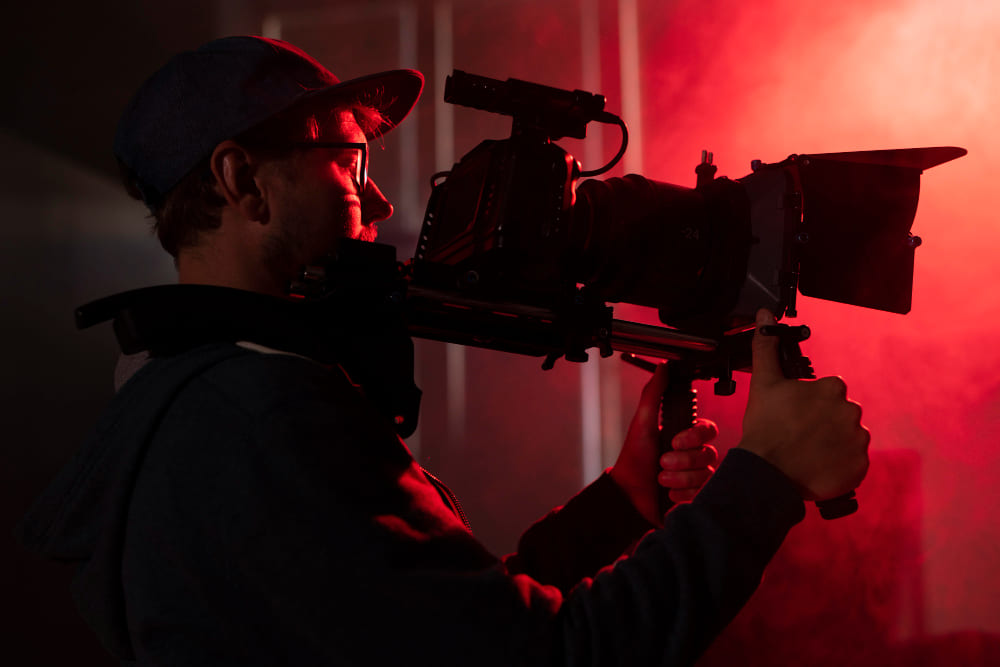
Brands today face a difficult question. How do you produce cinematic marketing videos fast enough for social platforms while maintaining quality and consistency? Short video dominates online engagement. According to Forbes, more than 90 percent of marketers say video plays a key role in their strategy. Yet traditional production cycles still require planning, filming, editing, and audio work.
This gap between speed and quality has pushed many teams to explore AI-driven production tools. The newest generation of video models is designed to create cinematic scenes with synchronized sound and structured storytelling in seconds.
One model gaining attention is Kling 3, which focuses on generating short cinematic sequences with built-in audio and consistent visual storytelling. Speed alone is not the true shift. It is how brands approach filmmaking itself.
A concise explanation of the shift
Cinematic brand storytelling once depended on expensive shoots and editing pipelines. AI video models are changing this process by generating scenes directly from prompts, images, or short clips.
Kling 3 represents a new phase in this evolution. The model creates videos up to 15 seconds long with built-in sound, voice integration, and multi-shot continuity. This means a brand can generate a sequence that includes visual action, ambient sound, and dialogue in one step.
Instead of producing separate visual and audio tracks, creators can generate complete scenes where the elements are synchronized automatically. Motion consistency, character appearance, and object placement remain stable across shots. This allows the video to feel more like a small cinematic scene rather than a collection of disconnected clips.
The result is a workflow where marketing teams can test ideas quickly, explore storytelling approaches, and develop social content that resembles professional filmmaking.
Kling 3 and the shift toward cinematic brand filmmaking
Why are brands moving toward cinematic storytelling?
Video marketing has evolved beyond simple product clips. Audiences expect storytelling that feels immersive and visually polished.
A growing number of campaigns now rely on short cinematic narratives. Research from Wikipedia shows that video marketing increases brand recall and engagement compared with static formats. The challenge is producing these narratives efficiently.
Several trends are pushing brands toward cinematic storytelling.
Changing viewer expectations
Consumers increasingly watch vertical videos, social reels, and short promotional films that resemble mini movies. These formats emphasize atmosphere, pacing, and emotional storytelling.
Social media platforms reward visual storytelling
Algorithms on platforms like Instagram and TikTok favor engaging video formats. Brands respond by investing in creative video content that feels cinematic rather than purely informational.
Short format storytelling is powerful
A 10 to 15-second clip can communicate a product idea, mood, or brand identity quickly. When the visuals and sound design work together, the result often feels more memorable.
To meet these expectations, businesses need production methods that balance quality with speed.
How does Kling 3 generate cinematic video scenes?
The core idea behind Kling 3 is structured scene generation. Instead of producing a simple animation or loop, the system creates a sequence that resembles a directed shot.
The model introduces several improvements compared with earlier AI video systems.
Longer generation time
Videos can run up to 15 seconds. This allows a small narrative to unfold naturally without abrupt transitions.
Built-in audio generation
The system automatically generates sound elements.
- Music and background scores
- Ambient environmental sound
- Voice narration or dialogue
- Automatic lip synchronization
This approach eliminates the need for separate audio editing steps.
Consistent visual identity
Character faces, clothing, and props remain stable across shots. Maintaining visual continuity is essential for brand storytelling.
Flexible creative inputs
Creators can guide the video using multiple inputs.
- Text prompts describing scenes
- Reference images for visual consistency
- Existing video clips as structural guidance
These inputs allow the model to interpret style, motion, and scene composition with greater precision.
How can businesses use Kling 3 effectively?
For marketers, the main advantage lies in testing ideas quickly. A marketing team can explore several storytelling approaches before committing to a full campaign.
For example, a brand launching a new product might create several short cinematic concepts.
- A lifestyle narrative showing the product in use
- A dramatic close-up sequence highlighting features
- A fast social advertisement designed for vertical viewing
Because Kling 3 produces multi-shot scenes, these concepts feel closer to mini-films than simple clips.
Businesses also experiment with story variations across different regions. Voiceovers can be generated in languages such as English, Spanish, Chinese, Japanese, and Korean. Automatic lip synchronization keeps speech aligned with the visuals.
This capability supports global marketing campaigns without the need for multiple production shoots.
Can AI filmmaking tools integrate into real workflows?
Yes, especially when integrated into broader creative platforms.
For instance, some teams use Kling 3 within broader creative environments that manage scripts, visuals, and editing in a unified workflow. In a typical scenario, a marketer could develop a campaign concept inside invideo, generate a scene using Kling 3, and test multiple narrative directions before selecting the strongest concept.
Within this type of workflow, the generated video may serve as a draft concept for a social campaign or promotional short. A creator might experiment with several prompts to refine lighting, motion, and character behavior.
Platforms that integrate an AI video generator app help streamline these experiments by combining generation, editing, and publishing into one process, along with device accessibility. This kind of integration helps marketing teams move from concept to distribution quickly while keeping visual storytelling coherent.
Why does motion consistency matter for brand videos?
Many early AI videos struggled with object consistency. Faces would change, clothing would shift, and props might disappear between frames.
Modern models focus heavily on continuity. Kling 3 maintains visual consistency across multiple shots within a single sequence.
This is important for brand filmmaking because viewers notice inconsistencies immediately. A product logo that changes shape or a character whose appearance shifts between frames can disrupt the story.
Motion stability improves the overall cinematic quality. Scenes look intentional rather than randomly generated.
The benefit becomes clear in storytelling scenarios such as:
- Product demonstrations with consistent branding
- Lifestyle narratives involving recurring characters
- Visual sequences where objects move naturally across shots
Consistency allows brands to create short narratives that feel cohesive and polished.
How does AI directing influence storytelling?
Another development introduced by Kling 3 is prompt guided directing. The user can specify scene structure, motion style, and character actions.
Instead of describing a static image, prompts may include storytelling elements such as:
- Camera movement
- Lighting mood
- Character gestures
- Environmental conditions
This approach gives creators more control over the visual narrative.
For example, a marketing team might request a scene where a character walks through a city street while a product appears in the foreground. The camera angle and lighting style can also be described in the prompt.
The system interprets these instructions and generates a sequence that reflects the described style.
How do cinematic clips support business strategy?
Short cinematic videos can support several business objectives.
First, they increase brand recall. Research shows that visual storytelling improves memory retention compared with text or static imagery.
Second, cinematic clips encourage engagement. Viewers are more likely to watch and share visually compelling content.
Third, these clips help brands communicate complex ideas quickly. A short scene can demonstrate a product experience more effectively than a written description.
Marketing teams often use cinematic clips in areas such as:
- Product launches
- Social media advertisements
- Brand storytelling campaigns
- Event promotions
When these clips combine visuals, sound, and narrative pacing, the message becomes easier to understand and remember.
Conclusion
The evolution of video marketing is pushing brands toward cinematic storytelling even in short formats. As attention spans shrink and competition for audience engagement increases, businesses need ways to produce high-quality visual narratives quickly.
Kling 3 reflects this shift by enabling short cinematic scenes with synchronized sound, consistent characters, and prompt-guided directing. Instead of assembling visuals, audio, and editing separately, creators can generate structured scenes that resemble mini films.
AI platforms powered by these models, like Kling 3, make experimentation easier for marketers, entrepreneurs, and content creators exploring digital storytelling strategies. As these workflows become more common, cinematic brand filmmaking may become accessible to teams of all sizes.
The real question now is not whether AI can generate videos. It is how brands will use these capabilities to tell better stories.
What kind of brand story would you experiment with first?
FAQ
What is Kling 3 used for?
Kling 3 is an AI video model designed to generate cinematic videos up to 15 seconds long. It combines visuals, sound effects, music, and voice narration into a single sequence. Businesses and creators use it to produce short marketing clips, social media content, and concept videos for campaigns.
How long can videos generated by Kling 3 be?
Videos generated by Kling 3 can run up to 15 seconds. This duration allows a scene to unfold naturally rather than appearing as a quick loop or abrupt clip. The longer format makes it easier to create short narratives or product demonstrations.
Does Kling 3 generate audio automatically?
Yes. Kling 3 produces native audio during video generation. This may include background music, sound effects, environmental ambience, and voice narration. The system synchronizes these audio elements with the visuals automatically.
Can Kling 3 maintain consistent characters across scenes?
The model focuses on maintaining visual consistency across shots. Faces, clothing, and objects remain stable throughout the sequence. Reference images can also be used to lock visual details and ensure that characters and props remain consistent.
Can Kling 3 create videos in different languages?
Yes. The model supports voice generation in several languages, including English, Spanish, Chinese, Japanese, and Korean. Speech is synchronized with the character’s lip movements automatically.
What types of marketing content can Kling 3 produce?
Businesses commonly use Kling 3 to generate social media clips, product advertisements, promotional teasers, and brand storytelling videos. Because the model supports cinematic motion and synchronized audio, the results often resemble short films designed for digital marketing campaigns.

