
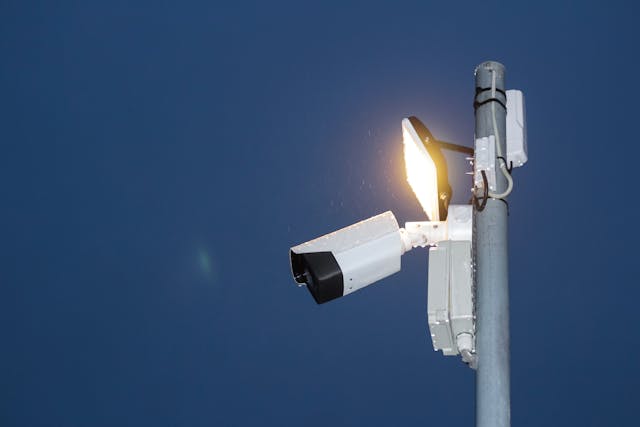
The global security technology landscape is evolving rapidly, and the numbers highlight a clear trend. Industry estimates suggest that the facial recognition market is expected to exceed $12 billion by 2026, with consistent double-digit growth driven by enterprise demand and AI adoption. At the same time, over 70 percent of organizations worldwide are expected to deploy AI-powered surveillance solutions to strengthen physical security and operational visibility.
At the center of this transformation is the facial recognition camera, a technology that has moved from niche deployments into mainstream enterprise security strategies. Businesses today are no longer relying solely on traditional CCTV systems. Instead, they are adopting intelligent, automated solutions capable of identifying threats in real time and improving decision-making across operations.
The Evolution of AI-Powered Surveillance
Security systems have shifted from passive monitoring tools to proactive intelligence platforms. Traditional cameras required human operators to continuously observe footage, which often resulted in delayed responses and missed incidents.
In contrast, AI-driven surveillance systems analyze video feeds in real time, enabling faster detection and response. A modern facial recognition camera uses advanced algorithms to map facial features, compare them with stored profiles, and generate alerts when a match is detected.
This evolution is not just about automation. It is about transforming video data into actionable insights that improve safety, efficiency, and accountability.
Market Drivers Behind Rapid Growth
Several factors are accelerating the expansion of the facial recognition camera market in 2026.
First, rising security concerns across industries have pushed organizations to invest in more advanced monitoring systems. Businesses are facing increasing risks related to unauthorized access, theft, and workplace incidents.
Second, regulatory compliance is becoming more complex. Organizations need systems that provide detailed audit trails and secure identity verification processes. Facial recognition technology helps meet these requirements while improving operational transparency.
Third, advancements in artificial intelligence and cloud computing have made these systems more accessible. What was once a high-cost solution is now available to mid-sized and even small businesses.
Finally, integration capabilities have improved significantly. Facial recognition is no longer a standalone feature. It is now part of a broader ecosystem that includes video analytics, access control, and emergency response systems.
Enterprise Use Cases Expanding Across Industries
The adoption of facial recognition camera systems is growing across multiple sectors.
In corporate environments, these systems streamline employee access by replacing traditional credentials with biometric verification. This reduces security risks while improving user experience.
Healthcare organizations use facial recognition to protect sensitive areas and ensure that only authorized personnel can access critical facilities.
Retail businesses leverage the technology to enhance loss prevention and identify repeat offenders. At the same time, it can support customer experience initiatives when implemented responsibly.
Warehouses and logistics centers use facial recognition to secure inventory zones and monitor workforce activity, reducing internal risks and improving operational efficiency.
Educational institutions are also adopting these systems to enhance campus security without disrupting daily routines.
The Role of Advanced Platforms in Market Growth
The growth of the facial recognition camera market is closely tied to the emergence of integrated AI security platforms. Instead of deploying separate tools, businesses are adopting unified solutions that combine multiple security functions into a single system.
For example, platforms like Coram are redefining how organizations use a facial recognition camera by combining real-time identification, person-of-interest tracking, and automated alerts within a single interface. These systems can detect unauthorized individuals within seconds and notify security teams instantly, improving response times and overall safety.
Such platforms also enable advanced capabilities like tracking individuals across multiple cameras, maintaining detailed records of movement, and reducing false alarms through multi-layered AI verification.
This level of intelligence allows organizations to move beyond traditional surveillance and adopt a proactive security strategy.
Integration With Access Control and Real-Time Response
One of the most impactful developments in this market is the integration of facial recognition with access control systems.
Instead of relying on physical credentials like keycards or PIN codes, businesses can verify identity through biometric data. This reduces the risk of credential theft and unauthorized access.
Modern systems can also trigger automated responses. For example, if an unauthorized individual is detected, the system can send alerts, restrict access points, and provide live video feeds for immediate verification.
This integration enhances both security and operational efficiency, making it a key driver of adoption.
Privacy and Ethical Considerations
As facial recognition technology becomes more widespread, concerns around privacy and ethical use are also increasing.
Organizations must ensure that their systems comply with data protection regulations and maintain transparency about how data is collected and used. Secure storage, encryption, and strict access controls are essential to building trust.
Another important consideration is accuracy and fairness. AI models must be trained on diverse datasets to minimize bias and ensure reliable performance across different populations.
Responsible implementation will play a critical role in the long-term success of facial recognition technology.
Cloud and Edge Computing Driving Innovation
The advancement of cloud and edge computing technologies is further accelerating the growth of the facial recognition camera market.
Cloud-based systems enable centralized management, allowing organizations to monitor multiple locations from a single platform. This is particularly valuable for businesses with distributed operations.
At the same time, edge computing allows data to be processed locally, reducing latency and improving real-time performance. Hybrid models that combine both approaches are becoming increasingly popular.
These technologies ensure that facial recognition systems can scale efficiently while maintaining high levels of performance and security.
Future Trends Shaping the Market
Looking ahead, several trends are expected to shape the future of the facial recognition camera market.
One major trend is the adoption of multi-modal biometrics, which combine facial recognition with other identifiers such as voice or behavioral analysis. This enhances accuracy and reduces the risk of false identification.
Another trend is the use of natural language search within video management systems. This allows users to quickly locate specific events or individuals without manually reviewing footage.
Additionally, AI models will continue to improve, delivering faster processing speeds, higher accuracy, and better integration with other enterprise systems.
Challenges That Could Impact Adoption
Despite strong growth, the market faces certain challenges.
Privacy concerns remain a significant barrier in some regions, particularly where regulations are strict. Organizations must navigate these challenges carefully to ensure compliance.
There is also a need for skilled personnel to manage advanced AI systems. Training and support will be essential for successful implementation.
Integration with legacy infrastructure can also be complex, requiring upgrades or additional investment.
FAQs
What is a facial recognition camera?
A facial recognition camera is an AI-powered surveillance device that identifies individuals by analyzing facial features and comparing them with stored data.
Why is the facial recognition camera market growing?
The market is growing due to increased security needs, advancements in AI technology, and the demand for real-time monitoring and automation.
How accurate are facial recognition systems?
Modern systems are highly accurate and use multiple AI models to reduce false positives and improve reliability.
Can facial recognition cameras work with existing systems?
Yes, many modern solutions are designed to integrate with existing IP cameras and security infrastructure, reducing the need for complete replacement.
Are facial recognition cameras safe for privacy?
When implemented with proper safeguards such as encryption and access controls, they can be secure. Organizations must also comply with relevant data protection regulations.
Conclusion
The facial recognition camera market is set for significant growth in 2026 as businesses continue to embrace AI-powered security solutions. With real-time analytics, seamless integration, and improved accuracy, these systems are transforming how organizations protect their assets and people.
As technology continues to evolve, companies that invest in intelligent security platforms will be better positioned to manage risks, improve efficiency, and stay ahead in an increasingly complex security environment.

