
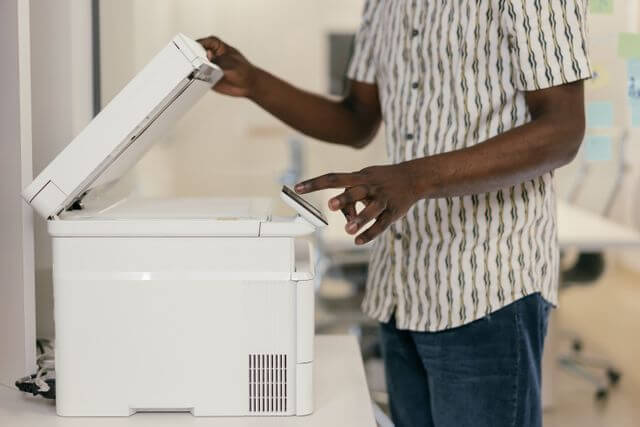
As businesses and individuals continue to reduce their reliance on paper records, document digitization has become an essential strategy for improving organization, accessibility, and efficiency. Converting physical documents into digital files makes information easier to store, search, share, and protect. Whether managing business records, financial documents, client files, or personal paperwork, a well planned digitization process can help eliminate clutter while creating a more streamlined workflow.
For many organizations, the first step is understanding how to scan a document efficiently and consistently. Establishing a reliable scanning process ensures that documents are captured accurately and stored in a format that supports long term accessibility. With the right approach, businesses can improve productivity while reducing the challenges associated with managing paper records.
Preparing Documents for Accurate Scanning
Successful document digitization begins before the scanning process itself. Preparing documents properly helps ensure high quality digital images and minimizes interruptions during scanning. Documents should be sorted, organized, and checked for staples, paper clips, folded corners, or damaged pages that could interfere with equipment performance.
Businesses should also consider how documents will be categorized once they are digitized. Grouping records by department, client, project, or date can simplify file management and make future retrieval more efficient.
Many organizations begin their digitization efforts by learning how to scan from printer to computer using existing office equipment. While multifunction devices can handle basic scanning tasks, organizations with larger volumes often benefit from dedicated scanning solutions that provide greater speed, image quality, and workflow automation.
Image enhancement features such as automatic color detection, blank page removal, and optical character recognition can further improve accuracy. These technologies help create searchable digital files that allow users to quickly locate important information without manually reviewing large numbers of documents.
Best Practices for Managing Digital Files
Digitizing documents is only one part of an effective document management strategy. Once files have been scanned, organizations must implement systems that support efficient storage, retrieval, and security.
A consistent naming convention is one of the most important organizational practices. Standardized file names make it easier to locate records and reduce confusion when multiple users access shared files. Businesses should also establish folder structures that align with operational needs and reporting requirements.
Choosing compatible scanning technology can further improve document management workflows. A twain scanner supports integration with a variety of software applications, helping organizations connect document capture processes with existing business systems. This compatibility can streamline workflows while improving accessibility across departments.
Cloud storage solutions provide additional flexibility by allowing authorized users to access files from multiple locations and devices. Combined with regular backup procedures, cloud based document management helps protect critical information while supporting business continuity.
Security should also remain a top priority throughout the digitization process. Access controls, encryption, and user permissions can help safeguard sensitive information while maintaining compliance with industry regulations.
As organizations continue to embrace digital transformation, document digitization offers significant advantages for efficiency and accessibility. By preparing documents properly, adopting effective file management practices, and utilizing the right scanning technology, businesses can create organized digital archives that support productivity, collaboration, and long term information management goals.

