
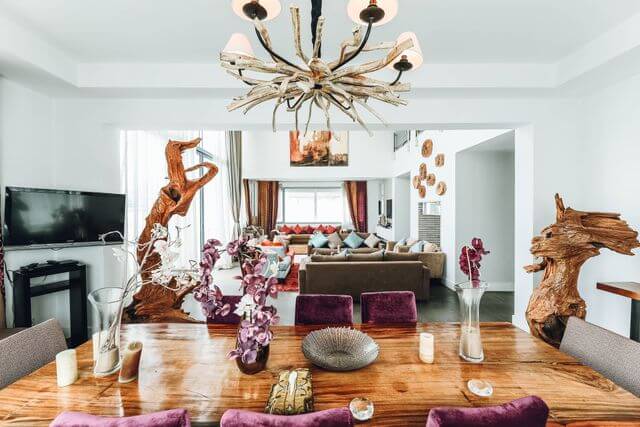
The Gap Between a Great Design and a Solid Project
You spend hours perfecting home decor concepts with cohesive mood boards, thoughtful palettes and ideal furniture, yet static images get underwhelming responses. They fail to convey a space’s lived experience—clients can’t feel walking through it, and followers scroll past.
The issue is presentation, not design. This guide teaches you to turn static visuals into engaging dynamic content with AI tools, no production team or editing skills needed.
Why Static Presentations Are Losing Ground in Home Decor Marketing
The home decor industry thrives on aspiration—consumers want to imagine living in spaces, and video conveys warmth, scale, texture and atmosphere far better than static photos. Platforms like Instagram, Pinterest and TikTok prioritize video, making it a baseline requirement for designers, retailers and influencers, not just a differentiator.
The challenge has been production. Until recently, creating professional-quality video from design imagery required either expensive videography or complex animation software. That constraint has been removed.
The AI Toolkit That Changes Everything for Decor Creators
The most efficient approach to home decor video content combines two distinct AI capabilities: image-to-video conversion for dynamic spatial storytelling, and template-based scene generation for polished marketing assets.
Pollo AI‘s image to video platform is a unified AI creative suite that aggregates multiple top-tier models to convert static images into high-definition dynamic video with a single workflow. It automatically matches cinematic-quality music and surround sound effects to generated clips, producing smooth, detail-preserving video that requires no additional editing. For interior designers presenting concepts, home decor influencers building a content library, furniture retailers showcasing products in context, and animation artists bringing spaces to life, this capability transforms existing design assets into publication-ready video content without a production budget.
Together, these tools cover the full journey from initial concept visualization to polished client presentation and social media distribution — a complete digital content chain for the modern decor professional.
Step-by-Step: From Design Image to Published Video Content
Step 1 — Gather and Prepare Your Visual Assets
Start with the strongest visual representations of your design concept. These might be rendered room images from design software, mood board photographs, product flat lays, or inspiration images that capture the aesthetic direction of the project. Resolution matters — higher-quality source images produce more detailed, coherent video output.
Organize your assets by room or concept theme before beginning. A logical visual sequence — entry, living space, kitchen, bedroom — gives your final video content a natural narrative flow that mirrors how someone would actually move through the space.
Step 2 — Animate Your Design Images Into Walkthrough Videos
Upload your design images to Pollo AI and use the image to video workflow to generate dynamic video clips from each. Configure your motion settings to reflect the experience you want to create — a slow, smooth camera push conveys calm and luxury; a gentle pan across a room communicates breadth and openness.
Add a motion prompt that describes the specific movement you want. “Slow camera drift from left to right across a warmly lit living room, with soft natural light shifting through sheer curtains” gives the model precise directional parameters and produces significantly more intentional output than an unprompted generation.
The platform’s automatic audio matching means your generated clips arrive with cinematic-quality sound already applied — removing one of the most time-consuming elements of traditional video post-production.
Step 3 — Sequence Your Clips Into a Cohesive Presentation
Once you have generated individual clips for each space or design element, sequence them into a cohesive walkthrough. Even a simple sequence of three to five clips — entry, main living area, key focal point — creates a compelling spatial narrative that communicates the full character of a design concept far more effectively than a static slide deck.
For client presentations, this sequence becomes the centerpiece of your proposal. For social media, individual clips can be published separately as a content series, extending a single design project across multiple posts and significantly increasing your publishing frequency without additional creative work.
Step 4 — Generate Marketing Assets for Social and Commercial Use
With your video content produced, the next step is creating the polished static marketing assets that support it across different channels and use cases. This is where template-based tools add distinct value.
Placeit AI is a video generation platform focused on brand and e-commerce visual content production, enabling users to place their designs quickly into realistic lifestyle scenes using a rich template library. For decor entrepreneurs, furniture sellers, and designers who need to produce professional promotional materials efficiently, Placeit AI helps generate polished brand assets — though its template-based model can sometimes constrain more experimental creative directions.
Use Placeit AI to place your key design images into lifestyle scene templates — styled room settings, editorial-quality home photography contexts, and social media frame formats — producing assets ready for Instagram posts, Pinterest boards, and client proposal decks.
Step 5 — Publish Strategically Across Your Channels
Distribute your content according to each platform’s format preferences and audience behavior. Short, atmospheric clips perform well on Instagram Reels and TikTok. Longer walkthrough sequences suit YouTube and Pinterest video. Static lifestyle scene images work across Instagram feed posts, Pinterest boards, and client-facing PDF proposals.
A single design project, processed through this workflow, can generate a week or more of content across multiple platforms — dramatically improving your publishing consistency without proportionally increasing your production workload.
Advanced Techniques for Higher-Impact Decor Content
Use seasonal and lighting variations: Generate multiple video clips from the same design image using different lighting descriptions — morning light, golden hour, evening ambient — to create seasonal content variations from a single source asset.
Create before-and-after sequences: If you have images of a space before and after a design intervention, animate both and sequence them together. Before-and-after content consistently generates high engagement across home decor platforms because it makes the transformation tangible and immediate.
Tailor motion style to design aesthetic: Minimalist and Scandinavian design concepts suit slow, deliberate camera movements and restrained audio. Maximalist or bohemian aesthetics can support more dynamic motion and richer soundscapes. Matching your motion style to your design aesthetic creates a coherent sensory experience that reinforces the concept rather than working against it.
Repurpose client presentation content for marketing: Video content produced for a client proposal can, with appropriate permissions, be repurposed as portfolio content for social media and your website. This extends the return on each production session significantly.
Common Mistakes Decor Creators Make With AI Video
Generating clips without a motion prompt is the most common and most impactful mistake. Without specific directional guidance, AI models make arbitrary decisions about what moves and how — often producing results that feel disconnected from the design’s character. A specific motion prompt takes thirty seconds to write and consistently produces more intentional, on-brand output.
Using low-resolution source images undermines the quality of the generated video regardless of how capable the underlying model is. AI animation amplifies both the strengths and weaknesses of the source material. Always start with the highest-resolution version of your design imagery available.
Treating every clip as a standalone asset misses the narrative opportunity. Home decor content performs best when it tells a coherent spatial story — guiding the viewer through a space rather than presenting disconnected moments. Think in sequences, not individual clips, from the beginning of your production process.
Conclusion: Your Design Work Deserves a Dynamic Presentation
The tools to transform your design imagery into compelling video content exist right now, and they require neither a production budget nor technical expertise. The workflow in this guide — animating design images into walkthrough clips, generating lifestyle marketing assets, and distributing strategically across platforms — gives you a complete, repeatable content production system for your home decor work.
Your designs tell a story. AI video tools give you the means to tell it dynamically, immersively, and at the scale that modern content distribution demands. Start with your strongest design project, generate your first clip, and experience firsthand how much more powerfully a moving image communicates what you have created.

