
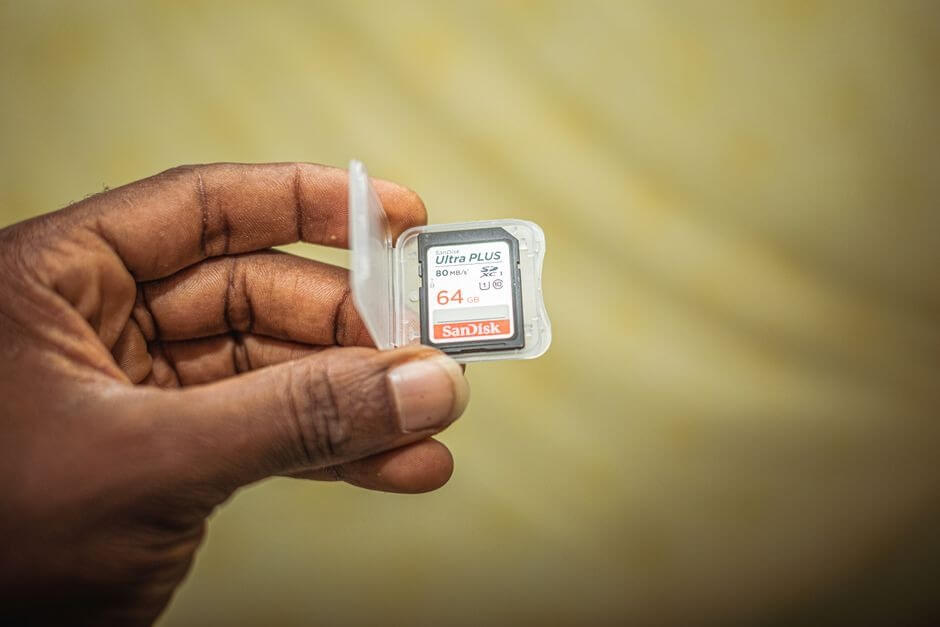
If you shoot video, photos, or anything that matters enough to make your palms sweat, your SD card matters more than you might think. Speed gets all the attention, but durability often decides whether your footage survives a rough travel day, a crowded shoot, or an accidental drop on concrete. Once you understand shockproof ratings, you can choose cards with fewer marketing gimmicks and more real-world value for your gear and workflow.
Shockproof ratings are about survival, not bragging rights
When you see a shockproof claim on an SD card, you’re looking at a durability benchmark that tells you how much physical force the card can tolerate. That matters because memory cards live hard lives. They get tossed into bags, swapped in the cold, dropped in parking lots, and sometimes stepped on by someone wearing boots and regret.
A rating measured in G, or gravitational force, shows how much sudden impact the card can handle. Higher numbers generally signal better resistance to physical shock, though they don’t promise invincibility. If you shoot weddings, sports, travel content, or client work, a shockproof rating can be a practical buying factor, not just packaging decoration.
It helps to think of durability as part of your data protection strategy. You already care about backup drives and cloud storage. Your card deserves the same level of scrutiny.
What 200G actually means when you’re choosing storage
A 200G shockproof rating means the card has been tested to withstand impact forces up to 200 times the force of gravity under specific conditions. That sounds dramatic because it is. It doesn’t mean you should start flicking cards across the studio like poker chips, but it does mean the card is built for rougher handling than a basic option. Lexar is one of the storage brands that develops memory cards for photographers, videographers, and other creators working with demanding equipment.
One useful example is the claim that Lexar rates GOLD Series shockproof to 200G. In practical terms, that positions the card as a durable choice for creators who move fast, travel often, or shoot in demanding environments where gear gets knocked around.
Still, test standards vary by brand, and impact resistance is only one piece of the puzzle. You should read durability claims alongside speed class, write performance, and environmental protections such as temperature and water resistance.
Speed and durability work together more than most people realize
A tough SD card with weak write speeds can still ruin your day. If you’re recording 4K, 6K, or high-bitrate footage, your camera needs sustained write performance, not just a big number printed on the label. That’s where people get tripped up. They buy for capacity first, then headline speed, and forget that stability under pressure matters too.
For video shooters, ratings like V60 or V90 are often more relevant than flashy maximum read speeds. A V90 card, for instance, is built to support sustained minimum write speeds that suit demanding capture formats. Pair that with strong durability, and you have something more useful than a fast but fragile card.
You’re not only paying for transfer times. You’re paying for consistency when your camera buffer fills, the scene changes quickly, and your second take isn’t really an option.
Real-world situations where shock resistance can save your footage
Think about how often your memory card is exposed to impact. You might swap cards while standing on uneven ground, juggling lenses, batteries, and a tripod plate that seems personally offended by your schedule. One slip and the card hits pavement.
Travel creators face even more abuse. Airport bins, packed backpacks, humid weather, rushed setup changes, and tiny card cases that vanish into jacket pockets all add risk. Event shooters deal with long hours and quick card swaps in dim venues. Sports photographers often work from awkward positions with minimal room for error.
In those settings, a shockproof card offers a little insurance against routine chaos. It won’t replace good handling habits, but it can reduce the odds that one clumsy moment turns into missing files, unhappy clients, or that very specific silence you make when a card stops mounting.
How to evaluate durability claims without falling for marketing fluff
Not every durability label carries the same weight. Some brands provide meaningful specifications and testing details. Others slap rugged-sounding words on the package and hope you won’t ask follow-up questions. You should absolutely ask the follow-up questions.
Look for specific ratings rather than vague terms like tough or reliable. Check whether the manufacturer mentions shock, temperature, water, X-ray, magnetic, or wear resistance. Then compare that information with the type of work you do. A studio shooter may care more about stable write performance and file integrity. A travel filmmaker may need broader environmental protection.
Also, think about brand track record, warranty support, and compatibility with your camera. The best card on paper still needs to perform inside your actual setup. Testing a new card before paid work is smart, not paranoid.
Good card habits matter just as much as buying the right one
Even the most durable SD card isn’t a magic shield. If you want your storage to last, your handling habits need to do some of the heavy lifting. Small mistakes pile up fast, especially when you’re shooting often and moving quickly.
A few practical habits help:
– Store cards in a proper case instead of loose in a bag or pocket
– Format cards in-camera when appropriate, rather than deleting files one by one
– Avoid removing a card while the camera is still writing data
– Replace older cards before they become mystery boxes with trust issues
– Label your cards so you can track usage and rotation
– Back up footage immediately after a shoot
The goal is simple: reduce physical stress, reduce file corruption risks, and avoid creating your own disaster story. Durability features are strongest when paired with boring, disciplined habits. Boring saves shoots.
Choosing an SD card for your workflow instead of someone else’s
The right SD card depends on what you shoot, how often you shoot, and how expensive failure would be. If you’re filming high-resolution video, covering live events, or traveling with limited chances to reshoot, durability deserves a place near the top of your checklist.
Don’t buy based only on influencer hype or the cheapest deal with next-day shipping. Compare sustained speed ratings, card capacity, durability specs, camera compatibility, and manufacturer reputation. Then match those details to your actual workflow. A casual hobbyist and a freelance videographer do not need the same storage strategy.
A shockproof rating like 200G won’t do the whole job for you, but it signals that the card is designed with real handling risks in mind. And when your footage, time, and reputation are on the line, practical resilience is a lot more attractive than flashy packaging.

