
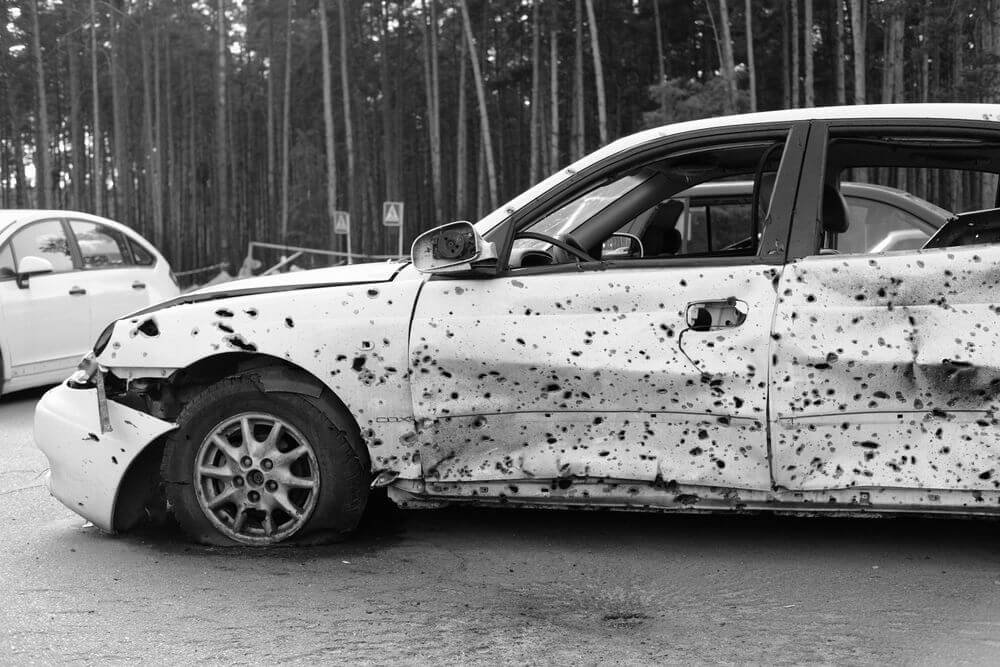
A car accident can turn an ordinary drive into a confusing mix of injuries, insurance calls, repairs, and paperwork within seconds. In Brentwood and the surrounding Williamson County area, preliminary state data recorded 3,556 reportable traffic crashes during the first nine months of 2025 alone.
Knowing what to do matters afterward because decisions made while you are stressed or shaken can affect your health, finances, and ability to resolve the situation later. The goal is not to handle everything immediately. It is to avoid making a difficult situation harder.
The First Few Minutes Are About Safety
Immediately after a collision, check yourself and your passengers before worrying about the vehicles.
If anyone appears seriously injured, contact emergency services. If remaining where the vehicles stopped creates another traffic hazard and they can be moved safely, getting out of active traffic may reduce the chance of a second collision.
Try not to turn the roadside into a debate about fault. Stress and adrenaline can make people unusually confident about details they may not remember accurately.
If law enforcement responds, explain what you know without filling gaps with assumptions. Avoid guessing about speed, distance, or what another driver was doing unless you actually observed it.
The first few minutes should be about making the scene safer and getting appropriate help, not deciding who eventually owes whom.
Know When the Situation Has Become Too Complicated to Guess
Many relatively minor crashes can be handled through routine insurance procedures. Others become more complicated once injuries, disputed responsibility, lost income, multiple vehicles, or significant medical expenses enter the picture.
In those situations, speaking with a Brentwood car accident lawyer may help clarify questions about liability, available damages, insurance negotiations, evidence, and filing requirements. The usefulness of legal guidance generally increases when the financial or medical consequences become more significant.
An early settlement offer can also require careful thought. Resolving a claim quickly may sound attractive when repair and medical bills are arriving, but accepting a settlement can carry consequences that are difficult to reverse.
The point is not that every collision requires legal representation. It is recognizing when the situation has moved beyond something you feel comfortable evaluating alone.
Preserve the Scene Before It Disappears
Accident scenes are temporary. Vehicles move, debris gets cleared, traffic resumes, and weather can change what remains on the road.
If it is safe to do so, take photographs of vehicle damage, license plates, road markings, nearby signals, debris, and the wider scene. A few broader photos can sometimes provide useful context that close-up pictures of a damaged bumper cannot.
Exchange necessary contact, insurance, and vehicle information with the other driver. If someone witnessed the collision and is willing to provide contact details, record those as well.
It can also help to make brief notes about what happened while the memory is fresh. Record the approximate time, direction of travel, traffic conditions, and sequence of events.
You do not need to write a courtroom argument on your phone. Plain facts are more useful than dramatic conclusions.
Medical Care Should Not Depend on How the Car Looks
Vehicle damage and physical injury do not always match neatly.
Someone can walk away from a crash involving relatively modest visible damage and still develop pain later. Likewise, a badly damaged vehicle does not tell you exactly what injuries occurred.
Pay attention to headaches, dizziness, stiffness, numbness, unusual fatigue, worsening pain, or difficulty concentrating. Serious or concerning symptoms need appropriate medical evaluation.
If you receive treatment, follow the recommended plan rather than treating the first appointment as the end of the matter. Keep medical documents, bills, prescriptions, and information about follow-up visits together.
This is useful for practical reasons as much as insurance ones. Several weeks later, remembering which appointment happened on which date can become surprisingly difficult.
Your priority should be understanding and treating the injury, not trying to predict immediately what a future claim might look like.
Insurance Conversations Reward Precision
Insurance companies need information about the collision, but providing information does not require speculating.
Stick to what you actually know. If you cannot remember an exact speed or do not yet know the extent of an injury, say so rather than supplying an estimate that later turns out to be wrong.
Be particularly careful about minimizing symptoms in the hours immediately after a crash. Feeling relatively normal while adrenaline is still high does not guarantee that soreness or other symptoms will not develop later.
The same restraint applies online.
Posting detailed updates, photographs, or comments about activities while a claim remains unresolved can create unnecessary complications. Something written casually for friends may look very different when read without context.
Accurate communication is enough. There is rarely any benefit in saying more simply because someone asks quickly.
Some Injuries Take Time to Become Obvious
One reason medical follow-up matters is that certain symptoms may not appear immediately.
For example, information about whiplash symptoms and recovery notes that symptoms can emerge after the event rather than necessarily appearing at the moment of impact. Neck pain, stiffness, headaches, dizziness, and fatigue are among the symptoms that can occur.
That does not mean every ache after a collision signals a serious injury. It does mean that dismissing new symptoms solely because you initially felt fine can be a mistake.
Pay attention to changes in how you feel and seek appropriate medical advice when symptoms are significant, persistent, or worsening.
It is also useful to notice how recovery affects ordinary activities. Problems sleeping, concentrating, driving, lifting, exercising, or completing normal work can provide useful information for your healthcare provider.
Recovery is not measured only by whether you can physically walk away from the scene.
Good Documentation Makes Later Decisions Easier
People often think of documentation as something needed only for a lawsuit. In reality, it is simply good organization after an event involving several different expenses and conversations.
Photographs, repair estimates, medical records, receipts, claim correspondence, and notes about important phone calls can all help create a clearer timeline.
Guidance on documenting vehicle damage and an accident scene similarly emphasizes the usefulness of photographs, witness information, and details about the surrounding conditions.
Keep records of expenses that may otherwise be forgotten. Transportation costs, prescriptions, towing, vehicle storage, rental expenses, and missed working time can become scattered across different accounts and receipts.
A single folder—digital or physical—can make everything considerably easier to understand.
Good records also reduce dependence on memory. Months later, a receipt or dated photograph is much more reliable than trying to reconstruct exactly what happened during an already stressful week.
Think Beyond the First Repair Bill
The immediate aftermath of a collision tends to focus attention on obvious expenses: the damaged vehicle, an emergency medical visit, or alternative transportation.
The longer-term picture may be different.
Some injuries require follow-up treatment or rehabilitation. Time away from work can affect income. Vehicle repairs can uncover additional damage once work begins. Everyday activities may remain uncomfortable longer than initially expected.
That is why rushing major decisions can be risky.
Understand what is being offered before signing settlement documents or releases. Ask questions when insurance language is unclear, and remember that legal deadlines vary depending on the circumstances and jurisdiction.
Most importantly, keep health decisions separate from claim strategy. Follow medical recommendations because they are appropriate for your recovery, not because you think a particular appointment will strengthen paperwork.
A car accident creates enough uncertainty on its own. Calm decisions, accurate records, appropriate medical attention, and careful communication can prevent much of that uncertainty from multiplying.
You cannot change the few seconds that caused the crash. What you can control is how deliberately you handle what comes afterward.

