
Investor days give leadership teams a rare chance to explain strategy, demonstrate command of the business and set expectations directly with the market. Every part of the program contributes to that message, from the chief executive’s opening remarks to the clarity of a chart shown during questions. Investors expect specific answers, consistent data and a professional viewing experience. Meeting those expectations requires close coordination among executives, investor relations staff and production teams well before anyone steps onto the stage.
High Stakes for Executive Credibility
An investor day can influence how analysts interpret a company’s priorities, growth plans and management discipline. Guidance on investor day impact highlights why the event deserves the same care as other major corporate communications. An unclear answer or unexplained change in a key metric may draw more attention than the prepared presentation.
Executives should rehearse complete transitions and question-and-answer segments, not only their individual slides. A finance leader, for example, should know how an operational claim from an earlier speaker connects to projected margins. Prepare a shared fact sheet covering definitions, reporting periods and approved figures so every presenter uses consistent language. Rehearsals should also include difficult questions and concise follow-ups.
Streamlined Visuals for Complex Data
Slides must remain readable in the room, on a laptop and through a compressed online stream. Dense spreadsheets rarely survive all three settings. Limit each slide to one central point, label units directly and use colors consistently across financial and operational charts. If a graph shows five years of revenue, the audience should understand the trend within a few seconds.
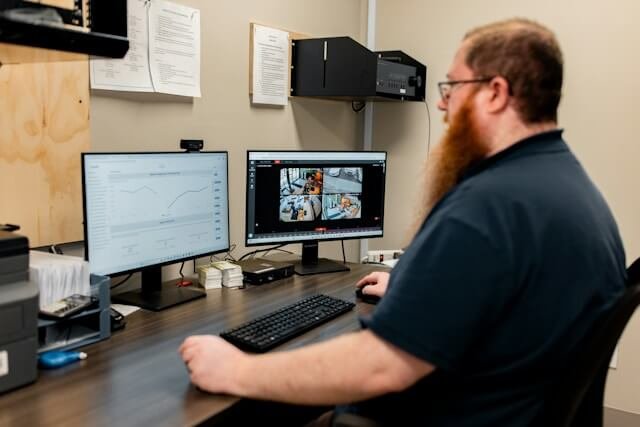
Production planning also affects how well that information reaches viewers. When selecting AV for events, organizers should discuss screen dimensions, presentation support, livestreaming requirements and multi-camera coverage early in the schedule. Request a technical review of the final deck several days before the event. This gives the team time to correct small type, unsupported media files and charts that lose detail on large displays.
Eliminate Broadcast and Staging Risks
A polished program depends on redundancy and clear responsibilities. Build a written run of show that identifies each presentation file, speaker entrance, video cue and camera change. One person should have final authority to call the program, while another monitors the stream and recording.
Technical rehearsals need to reproduce event conditions as closely as possible. Test remote speakers on the network they’ll actually use, confirm backup connections and check how microphones handle movement across the stage. Keep local copies of every video and presentation instead of relying on live downloads.
Small staging choices also matter. Confidence monitors should display useful prompts without encouraging speakers to read full scripts. Water, seating and microphone placement should remain consistent between sessions. Before doors open, run the first five minutes and the final handoff in full since those moments shape the audience’s initial and closing impressions.
Post-Event Digital Distribution
Investor communication continues after the live program. Publish the webcast replay, presentation deck and relevant transcripts through channels that investors already know. The on-demand video resources from Q4 illustrate how recorded business content can remain organized and accessible after its original broadcast.
Set a release timeline before the event. The investor relations team should know who approves the recording, checks captions and verifies that posted materials match the live presentation. Add chapter markers for major speakers or topics so viewers can reach a product update or financial outlook without scanning a three-hour file.
Review the final recording on desktop and mobile devices before publication. Clean audio, accurate captions and working navigation preserve the authority established on stage. A well-managed archive also gives analysts and shareholders a reliable reference when they revisit management’s commitments in the months ahead.

