
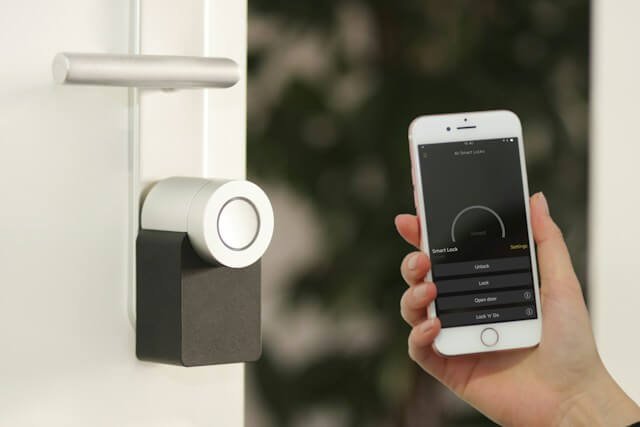
A move changes more than your address. It also changes who can access the property, where your belongings are exposed, and which security features fit your daily routine. Add home security to your moving checklist early so you can handle urgent tasks before the first night.
A simple plan should cover entry points, temporary risks during moving day and any connected devices that will remain in the home.
New Home, New Security Needs
Start with a walk around the property before moving boxes inside, especially if you are relocating to Colorado. Check every exterior door, window, garage entrance and ground-level access point. Look for damaged frames, loose hardware, hidden side entrances and landscaping that blocks the view from the street.
Previous owners, contractors or service providers may still have old keys or access codes. Arrange to rekey or replace exterior locks as soon as you take possession. Reset garage door remotes and keypad codes too. If you’re moving into a Colorado Springs property, this local guide to home security features offers more ideas for evaluating alarms, doors, and exterior visibility.
Choosing the Right Access Solutions
Match each access method to the people who use the property. A standard deadbolt may work well for a quiet side entrance, while a keypad can help children, relatives or service providers enter without carrying spare keys. Choose products with clear battery warnings and a physical backup option.
Access needs become more complex when a relocation includes a business site, managed building or multi-location property portfolio. Enterprise door access control systems can centralize permissions, monitoring, reporting and audit records across locations. For a typical house, focus on reputable residential products, simple code management and features your household will use consistently.
Protecting Belongings During the Move
Moving day creates unusual exposure because doors stay open and unfamiliar people may come and go. Keep passports, financial records, medications, jewelry and small electronics in a locked container that remains with you. Label ordinary boxes by room, but avoid descriptions that reveal valuable contents.
Create an inventory before loading begins. Photos of electronics, furniture and serial numbers can support an insurance claim if something is damaged or lost. The home inventory guidance explains what details to record. At the new home, designate one locked room for high-value boxes until you can keep exterior doors closed and limit access.
Integrating Smart Home Features
Decide which smart home devices to install on day one and which ones can wait. Door sensors, exterior cameras, smoke alarms and water-leak detectors usually deserve priority. Add decorative lighting and voice-controlled accessories after the network is stable.
Set up a new router name and strong password instead of reusing credentials from your former home. Update each device, enable multi-factor authentication where available and remove accounts belonging to previous residents. If a seller leaves a smart thermostat or doorbell behind, complete a factory reset before linking it to your account. Record model numbers and setup instructions in one secure digital file to make future maintenance easier.
Settling Into Safer Routines
Technology works best when the household follows a few reliable habits. Give each person an individual entry code where the system allows it, then delete temporary codes after cleaners, contractors or movers finish their work. Avoid sharing a single code through group texts because it becomes hard to track and easy to forget.
Review notifications during the first week. A motion alert that activates whenever a tree moves will soon be ignored, so adjust detection zones and schedules until alerts reflect useful events. Test locks, sensors and alarms after unpacking, then set a recurring calendar reminder for battery checks. Once you remove the last temporary code and test every exterior entry, the new house is ready for its normal routine.

