
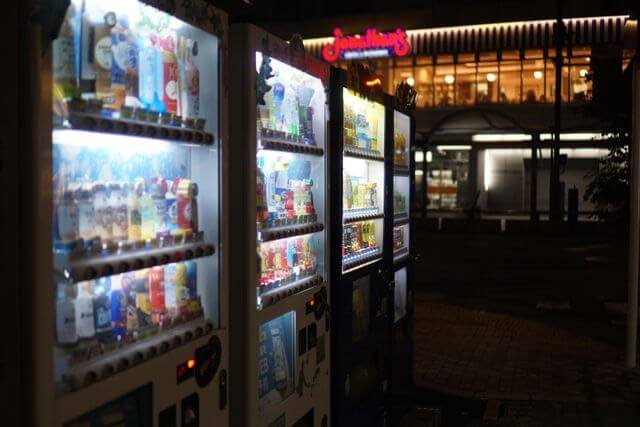
Today, companies look for practical solutions that make everyday services easier. This involves making snacks and drinks readily available to staff, clients, guests, and visitors without a fully staffed food counter or cafeteria. Vending machines provide a simple way to offer these options throughout the day.
Vending machine technology has changed substantially. Machines can do more than hold goods and collect money today. Many are relying on digital payment systems, sensors, temperature control, inventory management, and automated dispensing to facilitate quicker purchases and greater reliability.
With an understanding of these machines, businesses can choose equipment that suits their needs. From goods storage, through payments to dispensing purchases, all the components discussed below play a role in a convenient self-service experience.
- Products Are Stored In Organized Compartments
Different goods are stored in different compartments of a snack and drink vending machine. Snack machines can hold chips, cookies, candies, crackers, and packed pastries. Drink machines store bottled water, soft drinks, juices, energy drinks, and other beverages.
Products are often arranged in specific rows or columns inside the machine, and each choice has an attached dispensing mechanism. These can include conveyor systems, push mechanisms, rotating coils, or other parts that move the chosen product toward the collection area, depending on the machine design.
The design lets companies offer a variety of options in a comparatively compact area. Operators can also adjust product selections based on the business type, available space, and customer demand.
- Customers Select Products Through a Control Panel
When a customer selects a product, the buying procedure begins. To pick products, modern vending machines may use digital interfaces, keypads, touchscreens, or buttons.
Every product has a matching location or selection code. The machine verifies the item the consumer chose and activates the proper dispensing mechanism. Some machines also have screens that show product names, costs, availability, and nutritional data.
The system may stop a customer from choosing a product if it is sold out. This reduces purchases and helps users understand what is currently available.
- Payment Systems Process the Transaction
A key component of contemporary vending machines is payment technology. While newer models can accept many payment methods, older machines often relied mainly on coins and notes.
Depending on the equipment, customers may pay with cash, credit or debit cards, contactless cards, mobile wallets, or other cashless solutions. To confirm the transaction, the payment reader communicates with the machine’s control system.
Cashless payments can make vending more convenient because customers don’t need to carry exact change. Digital payment systems can also provide organizations with transaction data that helps them understand consumer behavior.
- Machine Checks and Releases the Product
Once payment is authorized, the machine initiates the process for the customer’s selection. The exact process depends on the vending machine type.
A spiral coil in a snack machine may rotate until the chosen item advances and lands in the collection area. Because bottles and cans need extra support during dispensing, drink machines may use a separate mechanism.
Sensors can verify that a product has arrived at the collection location. Depending on the payment and machine system, some machines can identify the issue and either stop additional transactions or initiate a refund procedure if the item does not dispense correctly.
- Temperature Controls Keep Certain Products Suitable
Since many drinks are meant to be served cold, drink vending machines frequently require temperature regulation. These devices may have refrigeration systems that keep the interior at a comfortable temperature.
The cooling system works like other refrigeration equipment. Heat is released outside the machine after being extracted from the storage container. An electronic control system or thermostat can control the temperature.
This feature is particularly useful in workplaces, gyms, hotels, schools, healthcare facilities, and other locations where customers may expect chilled drinks. Thus, when choosing equipment, businesses should consider the machine’s cooling capacity and operating environment.
- Sensors and Software Help Monitor Inventory
Sensors and software in modern vending machines can monitor both machine and product activity. These systems can provide information on available options and when products need restocking.
More advanced machines may connect to remote management platforms. This lets operators review sales data, monitor inventory levels, spot technical issues, and schedule maintenance without visiting every unit right away.
Additionally, inventory data can help companies choose products more wisely. Operators might give some appetizers or drinks additional space if they sell quickly. They can replace slow-moving items with alternatives customers are more likely to buy.
- Businesses Can Manage Machines For Different Needs
Many businesses and customers can use vending machines. Depending on the locality, they can choose their features, size, product capacity, and payment methods.
In an office, convenient snacks, coffee, and bottled water may take priority. A hotel might prioritize packaged meals and beverages for guests. A manufacturing facility may need a larger machine because employees use it throughout several shifts.
Businesses can also consider product storage, cleaning, maintenance, restocking, electrical usage, and equipment placement. Selecting equipment based on its placement ensures it doesn’t just take up floor space but remains useful.
Making Vending More Convenient For Modern Businesses
Modern vending machines make it easier for businesses to offer snacks, drinks, and other everyday items without having someone there to serve customers. Customers can select what they want, pay, and pick up their selection, and the machine can handle the rest, including tracking background operations.
For companies, the advantage is that they can provide quick refreshments without a full-service shop or employees on site all day. Vending machines can be conveniently placed in offices, schools, healthcare centers, and other businesses with the proper products, payment options, and maintenance.

