
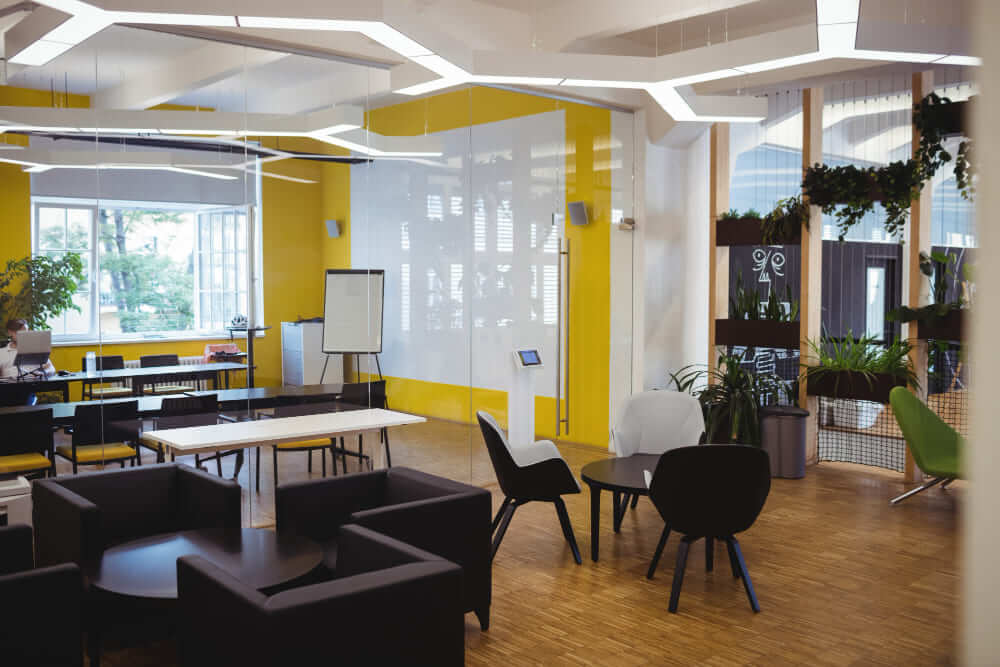
Expanding into a new country is an exciting milestone for any business. It signals growth, ambition, and the opportunity to tap into new markets. But behind the scenes, international expansion is rarely simple—especially when it comes to relocating operations and designing a functional workspace from scratch.
Too often, companies treat relocation and office design as separate processes. In reality, they are deeply connected. The way a workspace is planned, structured, and designed directly impacts productivity, employee satisfaction, and long-term success in a new market.
If your business is planning an international move to australia, understanding how relocation and commercial interior design intersect can make all the difference.
Why Office Design Should Be Part of Your Relocation Strategy
When businesses relocate internationally, the focus often leans heavily toward logistics—shipping equipment, managing timelines, and coordinating teams. While these are critical, they only solve part of the problem.
What happens after everything arrives?
Your new office isn’t just a physical space. It becomes:
- A hub for collaboration
- A reflection of your brand identity
- A tool for productivity and efficiency
A poorly planned workspace can lead to workflow bottlenecks, employee dissatisfaction, and unnecessary redesign costs. On the other hand, a well-designed office can accelerate team integration and operational success.
For companies already planning an international move to australia, integrating workspace design early in the process helps avoid costly adjustments later.
Understanding the Australian Workplace Environment
Australia has a distinct workplace culture that blends professionalism with a strong emphasis on work-life balance. Offices tend to favor:
- Open-plan layouts with collaborative zones
- Natural lighting and ergonomic furniture
- Flexible spaces for hybrid work setups
This means businesses relocating to Australia must adapt not only operationally but spatially.
Organizations that are planning an international move to australia should consider how these workplace expectations influence layout, materials, and overall office experience.
Step 1: Align Your Office Layout with Business Operations
Before choosing furniture or décor, start with function.
Ask:
- How do teams collaborate daily?
- Which departments need proximity?
- Are there quiet zones required for focused work?
For example, a tech company may prioritize:
- Agile workstations
- Breakout collaboration areas
- Minimal fixed seating
Meanwhile, a consulting firm may require:
- Private meeting rooms
- Client-facing spaces
- Structured desk layouts
Design should always follow workflow—not the other way around.
Step 2: Plan Relocation Logistics Alongside Space Design
One of the most overlooked aspects of international office relocation is timing.
Shipping timelines, customs clearance, and setup schedules all influence when and how your office becomes operational. Coordinating these elements with your interior design plan ensures:
- Furniture arrives when needed
- Installation aligns with move-in dates
- Downtime is minimized
Businesses that are planning an international move to australia often benefit from aligning logistics partners with design teams early—ensuring both movement and setup happen seamlessly.
Step 3: Choose Furniture and Materials Strategically
Relocating internationally presents a key decision: Should you ship existing furniture or source locally?
Shipping Existing Assets
- Items are custom-built or brand-specific
- Costs of replacement are high
- Brand consistency is critical
Sourcing Locally
- Align with Australian design standards
- Shorter lead times
- Better sustainability options
Many organizations planning an international move to australia adopt a hybrid approach—shipping essential items while sourcing the rest locally.
When coordinating an office move, finding reliable moving support can make the process much easier. Businesses searching for packers and movers near me can connect with professionals who can assist with packing, transportation, and the careful handling of office equipment and furniture.
Step 4: Design for Flexibility and Growth
Expansion rarely stops at the first office. Your new space should be designed with scalability in mind.
Consider:
- Modular furniture systems
- Multi-purpose rooms
- Expandable layouts
Australia’s business landscape is dynamic, and companies that are planning an international move to australia should anticipate future growth when designing their initial space.
Step 5: Prioritize Employee Experience
Relocation can be stressful for employees, especially those moving internationally. A thoughtfully designed workspace can ease that transition.
Key elements include:
- Comfortable, ergonomic workstations
- Breakout areas for relaxation
- Access to natural light
- Clear wayfinding within the office
For teams involved in planning an international move to australia, creating a welcoming and functional environment helps employees adapt more quickly to both the workplace and the new country.
Step 6: Navigate Compliance and Local Standards
Australia has specific regulations around:
- Workplace safety
- Accessibility
- Building codes
Failing to meet these standards can result in delays or additional costs.
Companies that are planning an international move to australia should work closely with local experts to ensure compliance from day one—saving time and avoiding complications during setup.
Step 7: Integrate Brand Identity into Your New Space
Your office should tell your story.
Even in a new country, your workspace can reinforce:
- Company culture
- Brand values
- Professional identity
This can be achieved through:
- Color schemes
- Signage
- Layout choices
- Material selection
Businesses planning an international move to australia often use this opportunity to refine their brand presence while adapting to a new market.
The Hidden Link Between Relocation and Design Success
What separates a smooth international expansion from a chaotic one often comes down to integration.
Companies that treat relocation and office design as a unified process benefit from:
- Faster setup times
- Lower costs
- Better employee adaptation
- Stronger operational efficiency
This is especially true for organizations planning an international move to australia, where both logistical precision and workplace expectations are high.
Conclusion: Build Smarter, Not Just Faster
International expansion isn’t just about moving from point A to point B. It’s about building a foundation for long-term success in a new environment.
By aligning relocation logistics with thoughtful commercial interior design, businesses can create spaces that support their teams, reflect their brand, and adapt to future growth.
For companies planning an international move to australia, taking a strategic approach from the start—one that combines movement, design, and functionality—will set you apart from competitors who treat these elements in isolation.
Because in the end, a successful move isn’t just about getting there—it’s about what you build once you arrive.

