
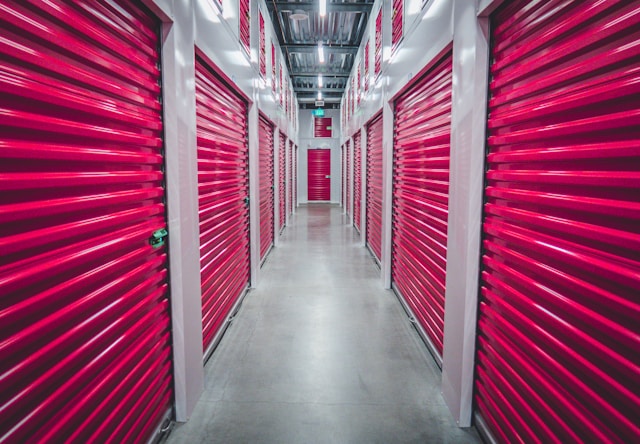
Startups need every advantage to stay afloat during the early months of operation. High commercial rent is the biggest hurdle for entrepreneurs selling physical products. Instead of signing a long-term lease for a massive warehouse, many founders are looking at smarter options. Local units provide a middle ground that keeps costs low and stock safe.
Rethinking Inventory Management
Managing stock requires a balance between having enough product and spending too much on rent. Founders find that personal and business storage can store unused or bulky items and keep their inventory organized. Professional units offer a clean environment that protects goods from damage or dust. Most facilities allow you to access your items whenever you need them.
Finding a spot for your boxes keeps your home life separate from your professional duties. You can focus on family when the workday ends. Storing items outside the house eliminates the stress of living in a warehouse. Transform your garage back into a functional space for your car or hobbies.
Scalability For Emerging Brands
Scaling up means finding more room for new product lines or seasonal shipments. The market for these spaces was worth $60.1 billion in 2024 and hit $63.6 billion in 2025. Demand is rising since founders want tools that adapt to their specific pace.
Swap a small unit for a larger one in a single afternoon. A flexible plan means you never pay for square footage that stays empty. Startups often start with a single pallet of goods. As orders increase, you might need space for five or ten pallets.
Reducing Fixed Overhead Costs
Traditional commercial leases are notorious for their rigid terms and hidden fees. Sign a three-year contract for a brand that is only a few months old. Self-storage costs are usually lower than standard warehouses since you only pay for the square footage. There are no expensive management fees or building maintenance costs to worry about.
Saving $500 or $1,000 every month can fund a marketing campaign or new equipment. Keep your fixed costs low to survive slow months without panic. You can invest the saved money back into better products. A single payment simplifies your accounting as you only have one bill to track.
Security And Accessibility Perks
Keeping your products in a spare room or a shed lacks the protection of a dedicated facility. Modern sites feature gated entry, individual alarms, and round-the-clock surveillance. Data suggests the industry grows by 6.8% each year as small businesses look for these secure, urban locations. With security cameras, your assets are safe from theft or environmental harm.
Your inventory is your most valuable asset. Losing stock to a leak or a break-in can ruin a young company. Professional units offer climate control options to keep items in perfect condition.
Streamlining Logistics Processes
If you spend hours digging through piles of stock, you lose time that should go toward finding customers. These units work best when you have a system in place for picking and packing orders.
- Label every box clearly with its contents
- Keep your best-selling items near the front of the unit
- Create a simple map of where everything is kept
- Leave a small aisle so you can reach the back
- Use sturdy shelving to maximize vertical space
- Audit your inventory once a month to remove slow-moving items
Small improvements in organization lead to faster shipping times for your customers. Happy customers will leave positive reviews. Having a dedicated zone for packing helps you avoid shipping errors. You can keep your tape, scales, and mailers in one place.
For startups that are ready to move beyond self-storage, working with a reliable commercial mover can make the transition to a larger warehouse much easier. Professional moving support helps businesses relocate inventory, equipment, and supplies efficiently while minimizing disruptions to daily operations.
Organizing Small Batch Production
Making products at home creates a mess that can take over your daily life. Setting up a packing station in a local unit keeps the work and home lives separate. Professional environments maintain the quality of delicate materials or sensitive electronics. Set up a desk and a small prep area to handle daily orders.
Maintaining a professional workflow is easier when you have a dedicated zone for business tasks. Invite a part-time helper to assist with packing. Store your raw materials and finished goods in separate sections to avoid confusion.
Taking the leap from a side project to a full-time brand is a major milestone. Smart logistics choices allow you to scale without the stress of high overhead. Local storage units bridge the gap between a home office and a large-scale warehouse.
Choosing a flexible space gives you the freedom to pivot when the market changes. Small steps will result in big wins for startups that prioritize efficiency. Your first warehouse does not need a loading dock: it just needs to be reliable and affordable.

