
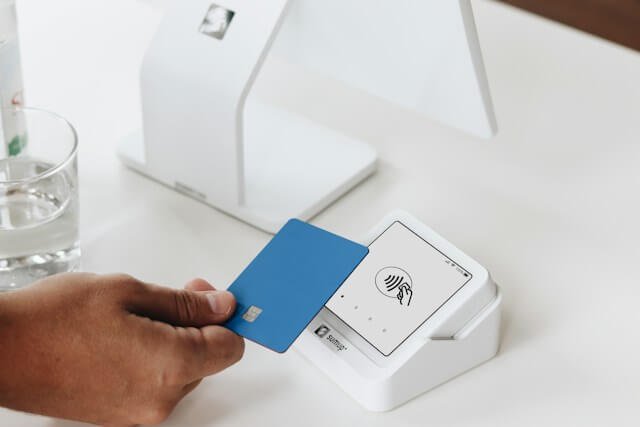
Payment cards can give brands a visible place in customers’ everyday routines. When the card design, rewards and spending experience reflect a clear customer need, each transaction can reinforce the relationship.
That opportunity extends beyond putting a logo in someone’s wallet. A successful custom card must offer practical value, fit naturally into existing payment habits and produce data that helps the brand improve its service. The strongest programs connect all three elements.
The Declining Value of Points Systems
Traditional points programs often ask customers to wait too long for a meaningful reward. If a person needs to make 15 purchases before receiving a small discount, the program can start to feel like work. Complicated expiration rules and limited redemption options add more friction.
Recent analysis of higher-value loyalty programs highlights the value of tailoring rewards and pricing to member behavior. Brands can apply that principle by offering timely benefits such as instant credits, preferred access or rewards connected to common purchases. Businesses can also improve retention by making recurring customer relationships easier to manage, with clear membership value and practical payment options that encourage customers to continue using a service.
A useful first step is to map how long an average customer waits between earning and redeeming value. If that period stretches across several months, test a smaller reward that arrives after one or two relevant transactions.
Turn Routine Purchases Into Touchpoints
A branded card turns an ordinary payment into a repeated interaction. Customers see the card in a digital wallet, receive a transaction notification and review purchases in an app. Those moments can build familiarity without requiring another promotional email.
This model works best when the card serves a defined purpose. A retailer might offer spending controls and member discounts, while an employer could use a prepaid card program for employee benefits or expense management. The experience should explain the card’s value in one clear sentence.
Research into embedded payment experiences also shows how integrating payment and loyalty functions can reduce friction. For customers, earning and using a benefit during the same transaction is easier than entering codes or visiting a separate rewards portal.
Deploying a Purpose-Built Card Offering
Start with a narrow use case and a specific customer group. A brand might first invite 1,000 frequent customers who already make at least two purchases per month. That pilot group can reveal whether the card changes behavior before the company commits to a wider launch.
Program design should cover funding, transaction processing, card controls, customer support and regulatory responsibilities from the start. Teams also need clear rules for disputed payments, lost cards and account closure. These operational details shape trust as much as the visual design does.
Keep enrollment short and explain fees, limits and rewards in plain language. Before launch, ask a small test group to complete registration without help. Any step that repeatedly causes confusion needs revision.
Metrics to Measure Consumer Engagement
Enrollment numbers provide only a partial view of performance. Track activation rate, first-use time and the share of customers who remain active after 30, 60 and 90 days. A card that attracts many sign-ups but few transactions may have a weak value proposition or an unclear onboarding process.
Purchase frequency and average transaction value can show whether the program changes customer behavior. Compare those figures with a similar group that doesn’t have the card, while accounting for seasonal campaigns. Redemption rate, support contacts and card closure reasons add context to the financial results.
Customer feedback also deserves a regular review. Ask users which benefit they remember, where they encountered friction and what would make the card more useful. If customers consistently describe the same practical value, the card has begun to earn a meaningful place in their routine.
Custom payment cards can strengthen loyalty when customers receive recognizable value at the moment of payment. The clearest signal of success is repeat use after the initial promotion ends, when the card continues to solve a real problem without extra prompting.

