
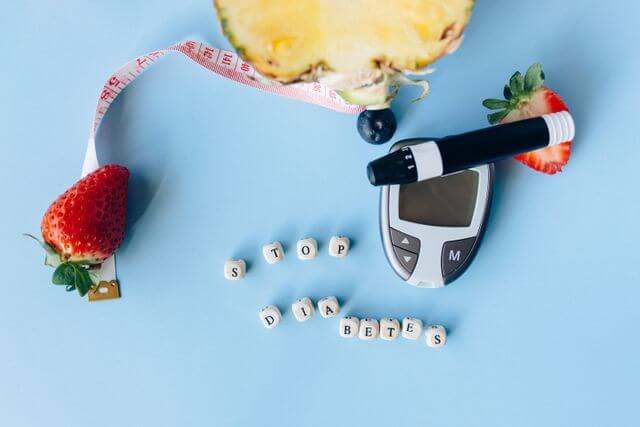
If you have been told you have insulin resistance, it is natural to worry about developing type 2 diabetes down the road. You might be worried about your energy level, weight, or blood sugar level and feel that you are not sure what it means for your future.
You also might be thinking about whether your body will be able to react to insulin as well as before or whether you will have to deal with insulin resistance forever.
The good news is that insulin resistance may often be improved, though not always, depending on your health, genetic makeup, and how long you have had this condition. Understanding what science backs up might assist you to make more realistic expectations and wise decisions regarding your health with your physician.
So, is it possible to reverse insulin resistance, and what does the latest research imply? The sections below describe some practical steps to make insulin more sensitive and what recent research shows about type 2 diabetes remission.
What is Insulin Resistance?
Insulin is a hormone that assists in transporting sugar in your blood to your cells, where your body utilizes the sugar to provide energy. With insulin resistance, your cells do not respond to insulin as well, so your body makes more of it to keep blood sugar steady.
As time passes, your pancreas might have difficulties in producing sufficient insulin. This may cause blood sugar to increase, exposing you to prediabetes and type 2 diabetes.
It can be caused by extra body fat, lack of exercise, genes, poor sleep, and age. Insulin resistance often has no clear signs, so blood tests can help your doctor spot related problems, such as prediabetes.
Knowing the basics is a helpful first step if you want to learn how to reverse insulin resistance.
How to Reverse Insulin Resistance
There is no one-size-fits-all approach. Begin with small changes that are easy to implement and maintain your health in the long term.
- Reduce Excess Body Fat
Too much fat in your body, particularly in the abdomen and around organs, decreases the effectiveness of insulin. If you are overweight, gradual weight loss can enhance insulin sensitivity. Simple changes can make a difference, and your doctor can guide you toward a healthy target.
- Increase Physical Activity
Exercise aids your muscles in absorbing sugar in your blood and utilizing it to generate energy. Regular exercise may help boost insulin sensitivity, even when your weight remains constant.
Adults are encouraged to engage in 150 minutes of moderate exercise per week and muscle-strengthening exercise at least two days per week. Brisk walking, cycling, dancing, and strength training are good options. Begin small when necessary and start increasing.
- Improve Your Daily Diet
Build balanced meals of vegetables, fruits, beans, nuts, whole grains, and lean protein. Fiber-rich foods can help you feel full and support overall health.
Limit sweets, candy-coated foods, and highly processed foods. There is no need to shun all carbohydrates; rather, concentrate on moderate diets and long-term eating practices.
- Discuss Medication Options with Your Doctor
Lifestyle changes may not be enough for everyone. Depending on your health and blood sugar levels, your doctor may recommend medication. Metformin can lower the sugar levels produced by your liver, and certain GLP-1 medications may aid in weight loss and sugar regulation.
These medicines have different uses and benefits. Before starting, stopping, or changing any treatment, ask your doctor whether you should take the medicine.
- Maintain Progress Over Time
Consistent habits can help you maintain improvements in insulin sensitivity. Aim for regular physical activity, balanced meals, enough sleep, and healthy ways to manage stress.
Attend recommended checkups and blood tests to track your blood sugar. If a routine becomes difficult to maintain, make adjustments and focus on changes that work for your daily life.
What New Research Shows About Reversal and Remission
Newer studies show what may be possible and where the limits are. In a 2026 trial, 34 of the 47 adults who completed a three-month very-low-calorie diet reached remission from type 2 diabetes. That is about 72%.
The study was small and used a very strict diet, so the results may not apply to everyone. Remission means blood sugar stays below the diabetes range without diabetes medicine. People who had lived with diabetes longer were less likely to reach remission.
Another real-world study examined the records of 243,400 adults with type 2 diabetes in South India. Only 0.11% reached remission spontaneously, without a structured plan. Diabetes returned in many people who reached remission, while greater weight loss was linked to longer-lasting remission.
These studies focus on diabetes remission, which is related to insulin resistance but is not the same thing. They show that remission is possible for some people, but results vary based on factors such as overall health, starting blood sugar levels, and how long a person has had diabetes.
Bottom Line
Insulin resistance can often improve with consistent lifestyle changes and medical support. Losing excess body fat when appropriate, staying active, eating balanced meals, and getting enough sleep can help your body respond to insulin better. Your doctor can also advise whether medication may help.
Some people with type 2 diabetes can achieve remission, but it does not mean the condition is cured permanently. Blood sugar can rise again, so work with your doctor on a plan that fits your needs and keep up with regular blood tests, even when your levels improve.

