
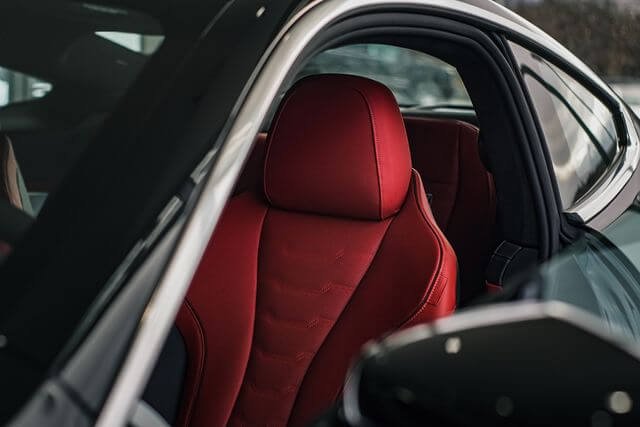
A wet jacket after a storm, a tipped-over coffee, muddy clothing after a hike, or a damp dog jumping into the back seat can quickly turn into an upholstery problem. Moisture is part of normal vehicle use, yet repeated exposure can leave seats stained, difficult to clean, or unpleasant to use.
Water-resistant seat protection creates an additional barrier between everyday messes and factory upholstery. Drivers researching Shearcomfort waterproof seat covers may find this type of protection particularly useful when their vehicles regularly encounter spills, wet gear, pets, outdoor activities, or demanding work conditions.
What Does Water-Resistant Seat Protection Actually Do?
Water-resistant seat protection is designed to slow or limit the movement of moisture through the cover material. Instead of a spill immediately contacting the factory seat, the protective surface provides an opportunity to clean up the liquid first.
This distinction matters during everyday accidents. A small drink spill that can be wiped from a protective cover may be much easier to manage than liquid that has already soaked into absorbent upholstery.
Performance varies by product and material, so drivers should always check manufacturer specifications to understand the level of moisture protection offered.
Why Is Moisture a Problem for Vehicle Seats?
Visible staining is only one reason to keep moisture away from upholstery. Fabric seats can absorb liquids, making cleanup more difficult when spills penetrate beneath the surface.
Even water can become inconvenient when enough of it reaches the seat. Damp upholstery may require additional drying time before the vehicle is comfortable to use again. Drinks, food-related liquids, and muddy water can leave more noticeable residue.
Reducing direct exposure makes these incidents easier to address before they become larger cleaning jobs.
How Does Seat Protection Help With Everyday Spills?
Drinks are among the easiest ways to introduce moisture into a vehicle. Coffee cups can tip during sudden stops, water bottles can leak, and children can accidentally spill drinks during a trip.
A protective layer gives drivers a first line of defense. When the material is appropriate for liquid exposure, spills can often be addressed before they reach the original seat underneath.
Quick action is still important. Seat protection should not be treated as a reason to leave liquid sitting on the surface. Blotting or cleaning spills promptly according to the manufacturer’s care instructions helps keep both the cover and the interior in better condition.
What About Mud and Wet Clothing?
Rainy days and outdoor activities create a combination of moisture and dirt. Wet jeans, muddy work clothes, sports equipment, and hiking gear can transfer grime directly onto vehicle seats.
Once mud dries on factory upholstery, removing it can require more effort than cleaning a protective surface. Repeated exposure can also make light-colored interiors particularly difficult to maintain.
Drivers who regularly work outdoors or participate in recreational activities may therefore benefit from choosing protection designed for both moisture and everyday wear.
Why Can Water Resistance Be Useful for Work Vehicles?
Work trucks and other commercial vehicles often encounter conditions that ordinary commuter cars do not.
Workers may enter the vehicle several times a day while wearing clothing exposed to rain, dirt, dust, or jobsite debris. Tools and equipment can also bring moisture into the cabin.
In these environments, preventing every mess is unrealistic. A more practical strategy is to create a protective layer that makes the interior easier to maintain.
The driver’s seat deserves particular attention because repeated entry and exit concentrates wear and contamination in the same areas.
Are Water-Resistant Seat Covers Useful for Pet Owners?
Pets can bring surprising amounts of moisture into a vehicle. A dog may have wet paws after walking through grass, mud on its coat after a trail, or water remaining in its fur after swimming.
Even ordinary trips can introduce drool, fur, dirt, and other messes.
Seat protection can reduce direct contact between these contaminants and the original upholstery. For pet owners, it may be useful to consider moisture resistance alongside abrasion resistance and ease of cleaning.
A secure fit is also valuable. Dogs frequently change position while riding, which can cause loosely fitted material to shift or bunch.
Is Water Resistance the Same as Waterproofing?
The terms “water-resistant” and “waterproof” should not automatically be treated as interchangeable.
Water-resistant materials are generally intended to resist moisture to a certain degree, while products described as waterproof may be designed to provide a stronger barrier against liquid penetration. Actual performance depends on the material, construction, seams, design, and manufacturer’s specifications.
Drivers should review product information carefully instead of assuming that every cover provides the same level of protection.
It is also important to remember that liquids can potentially reach uncovered areas around a seat. No seat cover eliminates the need to clean spills promptly.
Does Moisture Protection Affect Comfort?
Protection is important, but a seat cover still needs to work during everyday driving.
Material characteristics can influence how a seat feels during short commutes and long trips. Depending on climate and personal preference, drivers may want to consider texture, breathability, flexibility, and how the material feels during hot or cold weather.
This is why choosing solely based on moisture protection may not provide the best overall result. The right option should balance protection with the way the vehicle is actually driven.
Why Does Fit Still Matter?
Even a highly protective material cannot perform as intended if it does not adequately cover the areas exposed to messes.
Loose-fitting covers may move as occupants enter, exit, or adjust their seating position. This can expose portions of the original upholstery and create areas where dirt or liquid can reach the seat.
A secure fit helps maintain more consistent coverage. Drivers should verify the vehicle’s year, make, model, and seat configuration before purchasing.
Compatibility with integrated airbags, controls, headrests, armrests, and other factory features should also be confirmed using the manufacturer’s fitment information.
How Should Water-Resistant Seat Covers Be Cleaned?
Cleaning methods depend on the material, and using the wrong products can potentially affect its appearance or protective characteristics.
Follow the manufacturer’s care instructions rather than automatically using household cleaners. Some messes may require only wiping or spot cleaning, while others may call for a different process.
Removing loose dirt regularly is also helpful. Sand, dried mud, and other particles can create abrasion when occupants repeatedly move against the seat surface.
Prompt maintenance prevents minor messes from accumulating into more difficult cleaning jobs.
Who Should Consider Moisture-Resistant Seat Protection?
This type of protection can be useful for a wide variety of drivers, but it offers particular value when moisture exposure is frequent.
Parents may want protection against drinks and everyday messes. Pet owners often deal with wet paws and dirty fur. Contractors and tradespeople may enter vehicles in wet or muddy clothing. Outdoor enthusiasts can bring back damp equipment after camping, fishing, hiking, or other activities.
Even commuters may appreciate additional protection during rainy seasons or when drinks are regularly carried in the vehicle.
The more frequently moisture enters the cabin, the stronger the case becomes for adding a protective barrier.
Keeping Moisture Away From Factory Upholstery
Spills and wet conditions cannot always be avoided, but their impact can be reduced. Water-resistant seat protection gives drivers an additional layer between moisture, mud, everyday messes, and the original seating surface.
Choosing the right option requires more than looking for a waterproof or water-resistant label. Consider the material, coverage, fit, cleaning requirements, comfort, construction, and compatibility with the vehicle.
Combined with prompt cleanup and regular interior maintenance, appropriate seat protection can make spills and muddy trips less stressful while helping preserve the condition of factory upholstery over years of everyday driving.

