
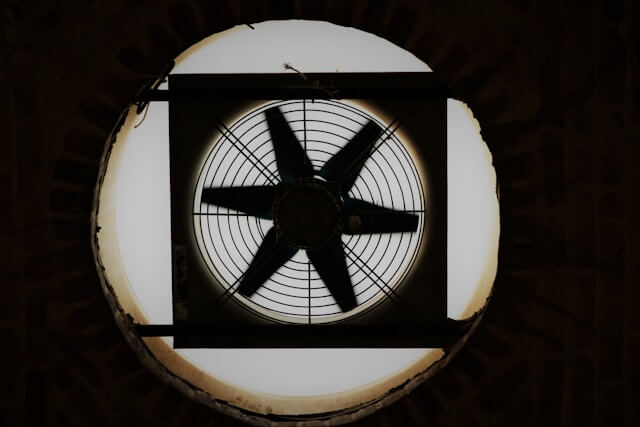
Why does one exhaust fan installation in a garage cost more than another? The answer goes beyond the fan itself. Garage size, electrical requirements, installation access, and the type of fan all affect the final price. Knowing these factors helps homeowners understand estimates and prepare for a professional installation.
Garage Size and Airflow Needs Set the Foundation
Garage size is one of the biggest factors affecting installation cost because it determines how much air the exhaust fan must move. A larger garage generally requires a fan with greater airflow capacity, and higher-capacity units usually increase equipment costs. Ceiling height and the overall layout also influence airflow, helping professionals select a fan that suits the space.
The cost of garage exhaust fan installation also depends on choosing a fan that matches the garage’s ventilation needs. Installing the correct fan helps deliver efficient air circulation without paying for equipment that is too large or too small. Since every garage differs in size and design, professionals calculate these requirements before preparing an estimate.
Fan Selection Influences Equipment and Labor Costs
The type of exhaust fan selected directly affects both equipment and labor costs. Wall-mounted, ceiling-mounted, and roof-mounted fans each require different installation methods, materials, and preparation. As installation complexity increases, the overall project cost can increase as well.
Several fan choices contribute to the final estimate:
- Roof-mounted fans require additional exterior installation work.
- Ceiling-mounted units need sufficient overhead working space.
- Wall-mounted fans require proper wall preparation.
- Higher-capacity fans generally cost more than smaller models.
- Specialized mounting hardware may increase material costs.
Professionals recommend the right exhaust fan based on the garage’s layout and ventilation requirements. This approach helps ensure reliable performance while keeping the installation appropriate for the property.
Electrical Requirements Can Expand the Scope of Work
Electrical conditions also affect pricing because they determine how much preparation is required before the exhaust fan can be installed safely. Garages with suitable electrical connections may require less work, while additional wiring or electrical modifications increase both material and labor costs.
Professionals inspect available power, fan compatibility, and connection locations before preparing an estimate because these details cannot be determined by garage size alone. This evaluation explains why two garages with similar dimensions may still receive different installation quotes and helps reduce unexpected changes once the project begins.
Installation Accessibility Influences Labor Costs
The location where the exhaust fan will be installed also affects labor requirements. Garages with open and accessible work areas generally require less installation time than spaces with limited access or structural obstacles. As preparation becomes more involved, labor costs naturally increase.
Several site conditions can influence the estimate:
- High ceilings require additional installation equipment.
- Limited attic access extends installation time.
- Roof design affects exterior installation complexity.
- Wall construction changes fan mounting requirements.
- Existing obstacles require careful fan placement.
Professionals evaluate these conditions before providing an estimate because accessibility varies from one garage to another. Even similarly sized garages can require different amounts of labor when garage fan installation conditions differ.
A Complete Site Evaluation Produces a More Accurate Estimate
Every garage has unique construction and ventilation requirements, so professionals evaluate the entire space before recommending an exhaust fan. They consider garage size, airflow needs, fan selection, electrical conditions, and installation accessibility because each factor contributes to the final cost. This process produces an estimate based on the actual work required instead of a generalized price.
A professional garage exhaust fan installation also helps homeowners understand why certain recommendations affect the final estimate. The assessment identifies the appropriate fan, outlines any additional preparation, and explains the scope of work before installation begins. With this information, homeowners can compare estimates more confidently and understand what is included in the proposed project.
The cost of installing a garage exhaust fan depends on the specific conditions of each garage rather than a fixed price. Fan capacity, electrical requirements, installation accessibility, and the garage’s overall layout all influence the amount of work needed to complete the project. A professional evaluation provides the most accurate estimate by considering every important detail before installation begins. Schedule a consultation with a qualified ventilation professional to find the right exhaust fan solution for your garage.

