
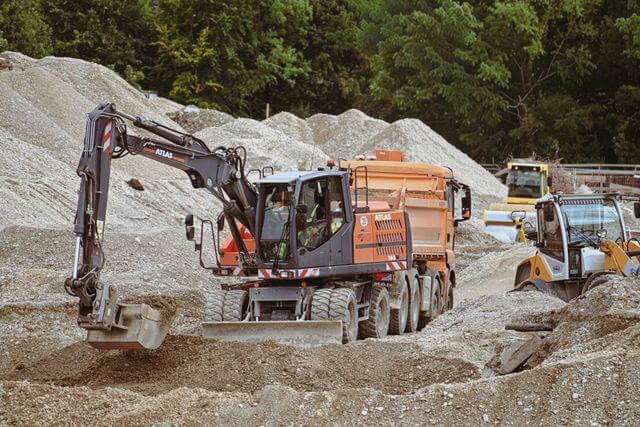
Used equipment can offer value when it fits the job. Price matters, but repairs and service history can change the real cost. A careful inspection helps reveal wear that photos may not show. Five practical checks deserve attention before any final purchase.
Match the Machine to Work in Wisconsin
Start with tasks, site limits, and expected work hours. Listings for new and used construction equipment for sale in Wisconsin can provide comparison for machine type and specifications.
Capacity, reach, horsepower, and hydraulic flow should suit the job. A larger unit may add cost without useful output on compact sites.
Contractors in Wisconsin should check width, weight, and ground pressure. These details affect access, trailer choice, and work on soft soil. Attachments must match the coupler and hydraulic requirements. A clear job list helps prevent a choice based on appearance alone.
Review Hours and Service Records
Meter hours provide one clue about the machine’s past use. Storage conditions, workload, and operator habits also affect wear. Review the hour reading alongside pedals, controls, pins, and seat condition. Signs of heavy use should match the records and stated history.
Request oil change dates, filter records, repair invoices, and prior fault codes. The serial number can confirm model details, production year, and parts support. A cold start may reveal battery weakness, smoke, or slow engine response. This check has added value for equipment used through winters in Wisconsin.
Inspect Structure, Tires, and Undercarriage
Walk around the machine before the engine starts. Look for cracks, bent panels, fluid marks, and loose hardware. Welds near booms, loader arms, buckets, and frames deserve attention. Uneven wear may point to poor alignment or past damage.
Physical Checks That Add Useful Context
- Check tire cuts, sidewall damage, tread depth, and rim condition on wheeled units.
- Review track tension, rollers, sprockets, idlers, and links on tracked machines.
- Test pins, bushings, bucket edges, couplers, lights, glass, and safety labels.
Wear parts can add major cost soon after purchase. Photos should support the inspection, not replace it. Buyers who compare new and used construction equipment for sale in Wisconsin should list each worn part beside an estimated repair cost. That record makes price comparisons more realistic.
Test Engine, Hydraulics, and Controls
Start the engine from cold and listen for knocks or uneven idle. Check exhaust color, warning lights, leaks, and gauge response. Operate each function through its full range under a safe load. Slow response, drift, heat, or chatter may signal hydraulic wear.
Test steering, brakes, transmission response, travel speed, and parking controls. Transport distances across Wisconsin may affect which machine size is practical. Cab heat, airflow, cameras, alarms, and wipers deserve a test. Each control should respond without excess play or delay.
Transport planning should account for loading space, ramp angle, tie-down points, and the weight of loose attachments. Moving a heavy implement into position may require hand winches when engine power or access is limited. Keep the cable path clear, inspect the hook and line before pulling, and use tie-downs rated for the load once the equipment is secured. A final walk-around should confirm that doors, guards, mirrors, and removable parts are latched before the machine leaves the site.
Confirm Papers, Parts, and Total Cost
The final review should cover title status, liens, serial numbers, and sale terms. Ask which attachments, manuals, keys, and records come with the unit. Service access in Wisconsin can matter with uncommon parts or software. A lower price may lose value if parts require long delays.
Add transport, taxes, repairs, tires, tracks, fluids, and attachment costs. Buyers in Wisconsin should compare warranty terms when coverage remains. An independent inspection may help with complex machines or uncertain records. The final figure should reflect the cost to place the unit into service.
FAQ
1. How many equipment hours are too high for a used machine?
There is no single hour limit because service history and work conditions affect wear. A well-maintained machine with higher hours may offer better value than a neglected low-hour unit.
2. Should used construction equipment receive an independent inspection?
An independent inspection can help identify structural, hydraulic, electrical, or engine faults before purchase. It is especially useful when service records are incomplete or the machine has complex systems.
3. What documents should come with used construction equipment?
Buyers should request the bill of sale, serial number details, service records, manuals, and any warranty terms. It is also important to confirm lien status and which attachments or keys are included.
Used equipment deserves a decision based on condition, fit, and documented cost. For crews in Wisconsin, site demands and transport limits deserve the same attention as engine hours. A proper test can expose issues that a polished exterior hides. The strongest purchase is the machine that meets the job without an unexplained repair burden.

