
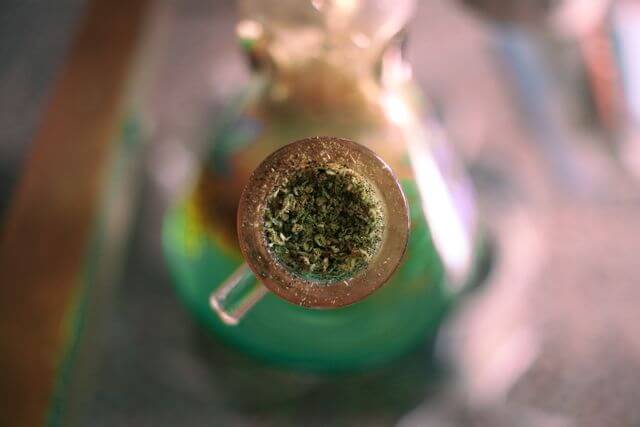
A habit that once seemed manageable can gradually begin affecting everyday responsibilities without attracting much attention. Missing deadlines, losing motivation, avoiding responsibilities, or struggling to stay focused may develop so slowly that these changes begin to feel like part of everyday life.
Dedicated professionals, such as the Waterside Recovery team, help individuals navigate these subtle shifts and regain control. This article explains the signs marijuana use may be affecting daily responsibilities, why dependence can develop gradually, how professional treatment addresses these challenges, and what recovery may look like after treatment begins.
Signs Marijuana Use May Be Creating Challenges
The effects of marijuana use are not always immediately obvious. Small changes in daily habits and responsibilities may appear first, making them easy to overlook until they begin affecting multiple areas of life.
Some common signs include:
- Daily motivation becomes harder to maintain.
- Concentration during work or school begins to decline.
- Household or personal responsibilities are postponed.
- Performance at work or school gradually changes.
- Hobbies and personal interests lose their appeal.
- Relationships become strained because of repeated conflicts.
- Sleep patterns become less consistent.
- Marijuana becomes the primary way to relax after stress.
Recognizing these changes early creates an opportunity to seek support before they begin affecting long-term goals and overall well-being.
Why Dependence Can Develop Gradually
Marijuana dependence usually develops through small changes rather than sudden events. What begins as occasional use may slowly become part of a daily routine until it feels difficult to manage stress, boredom, or uncomfortable emotions without it.
Over time, increased tolerance may lead to more frequent use, while emotional reliance makes reducing or stopping marijuana feel more challenging. Daily routines, priorities, and relationships may gradually shift without the person realizing how much has changed. These patterns usually develop over time instead of all at once, making early awareness especially important.
How Professional Treatment Helps Restore Healthy Daily Routines
Professional treatment focuses on rebuilding everyday life as much as helping someone stop using marijuana. Recovery is about restoring balance, confidence, and healthy routines that support long-term well-being.
Treatment may help people:
- Identify personal triggers that encourage marijuana use.
- Develop healthier ways to manage stress.
- Rebuild structured daily routines.
- Improve emotional regulation.
- Strengthen decision-making skills.
- Address underlying mental health concerns when appropriate.
By focusing on everyday functioning, treatment helps people regain stability while building practical skills that support lasting recovery.
Skills That Help Reduce the Risk of Returning to Marijuana Use
Recovery becomes stronger when people develop practical coping skills they can continue using after treatment. These skills help prepare for situations that may otherwise increase the risk of returning to marijuana use.
Important recovery skills include:
- Managing cravings through healthy coping techniques.
- Responding to stress without relying on substances.
- Building supportive relationships.
- Maintaining consistent daily routines.
- Recognizing early warning signs of relapse.
- Responding to setbacks with healthier decisions.
Practicing these skills regularly helps create greater confidence while supporting continued progress throughout recovery.
What Ongoing Recovery Looks Like After Treatment
Recovery does not end when a treatment program is completed. Many people continue strengthening the habits they developed during treatment while adjusting to new responsibilities, relationships, and daily routines.
Continued counseling, peer support groups, healthy lifestyle habits, regular goal reviews, and ongoing self-reflection all contribute to long-term success. As confidence grows through consistent progress, people become better prepared to manage future challenges while protecting the positive changes they have worked hard to achieve.
When marijuana use begins affecting everyday responsibilities, seeking help early from trusted professionals, for example, from the Waterside Recovery team, can create meaningful opportunities for positive change. Long-term recovery develops through consistent habits, continued support, and a commitment to building a healthier, more balanced life – one step, one decision, and one day at a time.

