
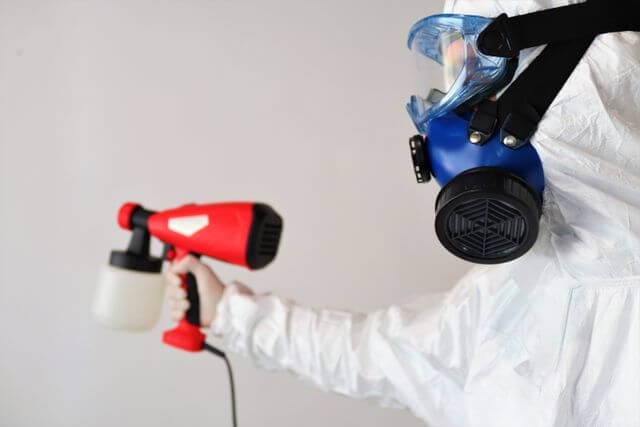
Shared workspaces give respiratory viruses and other germs many opportunities to move between people. Door handles, elevator buttons, desks, phones, and break-room surfaces receive repeated contact throughout the day. Routine cleaning removes visible soil, while disinfection targets microorganisms left behind on frequently touched areas. A planned service also addresses floors, carpets, air, and spaces affected by illness. The result is a cleaner workplace with fewer contamination points, beginning with a clear understanding of where exposure occurs.
How High-Touch Areas Spread Germs
For offices, retail locations, schools, and other facilities, a disinfection plan should match traffic patterns and contact frequency. Cleaning teams assess entrances, shared workstations, restrooms, break rooms, and elevator controls before scheduling service. That process gives commercial disinfection services in NYC a practical role in reducing surface contamination, especially after illness reports or heavy use. Regular records also help managers verify which areas received attention.
High-touch surfaces receive contact from many people within a short period. A contaminated hand can transfer germs to a door handle, keyboard, phone, or shared appliance. Another person can pick up those germs through contact with the same surface, then touch the face, food, or personal belongings.
Disinfection interrupts this chain by treating surfaces after cleaning removes dirt and organic material. The treatment works best when staff follow product directions, observe required contact times, and cover the entire target area. Missed edges, undersides, and frequently handled controls can leave untreated points behind.
How Timing Affects Illness Control
Workplace disinfection works best as part of a planned schedule rather than as a response to visible mess alone. High-traffic areas require regular attention because repeated contact quickly changes surface conditions after cleaning. The correct frequency depends on occupancy, building use, shared equipment, and recent illness activity.
An illness report also changes the cleaning priority. Staff should identify the affected workspace, nearby shared areas, restrooms, meeting rooms, and routes used by the employee. Prompt service limits the time that contaminated surfaces remain available for contact.
Scheduled work should fit business operations without leaving essential areas untreated. Many facilities arrange service after business hours, during low-traffic periods, or in stages across separate zones. Clear timing reduces disruption while keeping disinfection consistent.
What a Complete Service Covers
Commercial disinfection includes more than wiping desks and door handles. A complete plan can address high-touch surfaces, floors, carpets, deep-cleaning needs, air purification, and areas affected by a confirmed illness. Each task should match the material, space use, and type of contamination.
-
Surface disinfection
High-touch disinfection focuses on areas people handle repeatedly. Common examples include light switches, railings, elevator buttons, faucet handles, shared phones, cabinet pulls, and conference-room equipment. Cleaning teams should work methodically so surfaces receive even coverage.
Shared workstations need careful attention because keyboards, mice, chair arms, desk edges, and phones collect frequent contact. Break rooms also require detailed service around refrigerator handles, microwave controls, coffee equipment, tables, and sink fixtures. These areas combine high contact with food preparation and close employee interaction.
-
Floors, carpets, and air
Floor disinfection addresses hard surfaces that receive tracked-in soil and repeated foot traffic. Carpet sanitizing targets fibers that collect debris and contact particles near entrances, hallways, and workstations. The right method depends on the flooring material and the area’s condition.
Air purification supports surface work in spaces where people gather for long periods. It does not replace cleaning or hand hygiene, but it addresses another part of the indoor environment. A facility manager should treat air service as one component of a broader sanitation plan.
How Managers Build a Workable Schedule
Managers should map the facility before selecting service intervals. The map should show entrances, shared equipment, restrooms, break rooms, elevators, meeting spaces, and areas with concentrated foot traffic. It should also identify surfaces that require special handling or restricted access during treatment.
A practical schedule assigns priorities instead of treating every area identically. High-touch points need frequent attention, while low-contact spaces can follow a different cycle. Deep cleaning can occur periodically, with targeted disinfection added after illness reports, events, or unusually high occupancy.
Communication also affects results. Employees need clear instructions about treated areas, temporary closures, personal items, and shared equipment. Building managers should report changes in occupancy, construction, water damage, or illness activity before service begins.
What Records Should Show
Service records give managers a factual view of completed work. Each record should identify the date, treated areas, service type, unusual conditions, and any follow-up requirement. These details help staff track recurring trouble spots and adjust future schedules.
Records also support communication with employees and occupants. A manager can confirm that a reported area received service without relying on memory. Consistent documentation creates accountability and helps identify whether repeated illness concerns relate to cleaning gaps, overcrowding, poor ventilation, or shared-contact behavior.
Conclusion
Commercial disinfection reduces workplace illness risk by targeting the surfaces and spaces people touch throughout the day. Effective programs combine high-touch treatment, floor and carpet care, air purification, deep cleaning, and prompt response after illness reports. Facility managers should begin with a traffic and contact assessment, then set service intervals based on actual building use. A written schedule and service log provide the clearest next step for maintaining cleaner, more controlled work areas.

