
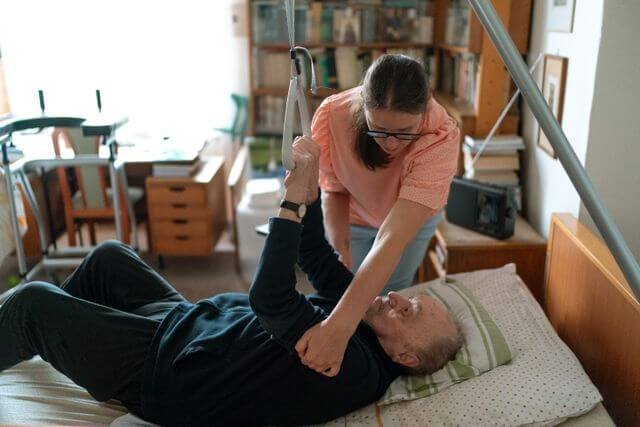
Selecting a patient lift to use at home may seem daunting. All the models appear alike initially, but each one operates in different ways. The improper decision may result in ineffective transfers, increased stress, or even threats to safety in everyday use.
Caregivers usually find themselves in a situation of not knowing what features really count, particularly when comparing weight capacity, types of slings, and ways of operating simultaneously.
The right lift changes daily care completely. It helps in ensuring safe and easy transfers, and it minimizes physical work for both the patient and the caregiver. It is also durable, something that is important when a lift is used more than once in a day.
Understanding what makes a lift appropriate helps you make decisions based on judgment and not trial and error. Keep reading to know more.
1. Matches the Patient’s Weight and Mobility Level
All patients need things differently, and that begins with weight capacity. Most of the lifts weigh between 300 and 450 pounds; hence, initially verifying this number averts future safety problems. The best place to start off is by visiting a variety of patient lifts side by side in order to compare capacity and features.
Mobility level is equally important as the weight. A stand-assist lift might work well with someone who can support part of their weight, but a full-body sling lift is required with a person with little or no mobility. The correct lift type in relation to the actual condition of the patient, as opposed to assumptions, is safer for all involved in the transfer.
Stability is also influenced by the width of the base and the spread of the legs. A thinner base fits into the tight spaces, whereas a broader one provides better balance when transferring. As such, pre-measuring the transfer environment prevents difficulties when the lift is received.
2. Offers Reliable, Easy-to-Operate Lifting (Manual or Electric)
After sorting in terms of weight and mobility, the next consideration is the actual operation of the lift. Manual lifts use a hydraulic hand pump, which means no batteries or charging is required. This ensures that they are reliable when carrying out transfers occasionally and can be maintained easily.
Electric lifts, on the other hand, use a battery-powered motor for push-button lifting. This saves a lot of physical exertion, which is important to caregivers who have to deal with several transfers on a daily basis. In turn, the type that is more reasonable is sometimes dictated by the frequency of use.
No one is necessarily preferable. Manual lifts are best applied in lower-frequency, cost-effective cases, and electric lifts are best applied in routine, physically challenging cases. The best way to determine between the two is by identifying the frequency of the transfers per day.
3. Use Slings and Attachments That Ensure Comfort and Safety
A lift is only as good as the sling attached to it. Slings come in different styles, including full-body, hammock, and toileting designs, each suited to specific care needs. Choosing the wrong sling type can make transfers uncomfortable or even unsafe.
Material also plays a role in daily use. Mesh slings dry quickly and work well for bathing, while padded slings offer more comfort for longer periods of use. As a result, matching sling material to the situation improves both safety and comfort.
Compatibility is another detail worth checking. Not every sling fits every lift model, so confirming compatibility before purchase saves time and prevents mismatched equipment later. This small step often gets overlooked, yet it directly affects how well the lift performs.
4. Protects the Caregiver from Strain and Injury
Patient lifts exist to protect patients, but they protect caregivers too. Manual transfers without equipment often lead to back injuries over time. A properly sized lift removes much of that physical burden from the caregiving process.
Handle placement and pump design also affect caregiver strain. A lift with an awkwardly positioned pump handle forces repetitive bending, which adds up over weeks of daily use. For this reason, testing the lift’s operation, not just its specifications, gives a clearer picture of long-term comfort.
Locking casters and a stable frame round out caregiver protection. These features prevent unexpected movement during transfers, which reduces the risk of falls for both the patient and the person operating the lift.
5. Built to Last with Minimal Maintenance
Durability affects suitability just as much as function. A well-built lift holds up under repeated daily use. It should not require frequent repairs or part replacements. Checking the frame material beforehand helps. Pump quality matters too. Together, these details give a reasonable sense of how long the equipment will last.
Maintenance needs vary between lift types as well. Manual lifts generally require less upkeep. This is because they have fewer moving parts. Electric lifts, on the other hand, need occasional battery checks. They may also need motor servicing over time. Understanding this difference upfront helps set realistic expectations. It also prevents surprises down the road.
Finally, easy-to-replace parts add real value. A lift with accessible pumps, casters, and slings stays functional for years. This matters most for anyone relying on it daily. Simple upkeep means fewer interruptions to care.
Conclusion
A suitable patient lift comes down to five practical factors: weight capacity, operation type, sling compatibility, caregiver protection, and durability. Each one plays a direct role in how safe and manageable daily transfers become. Skipping any of these considerations often leads to frustration or unnecessary risk down the line.
Instead, take time to match the lift to the patient’s needs and the caregiver’s routine. Doing so turns a stressful daily task into a manageable one. With the right information in hand, choosing equipment that genuinely fits everyday care becomes far less complicated.

