
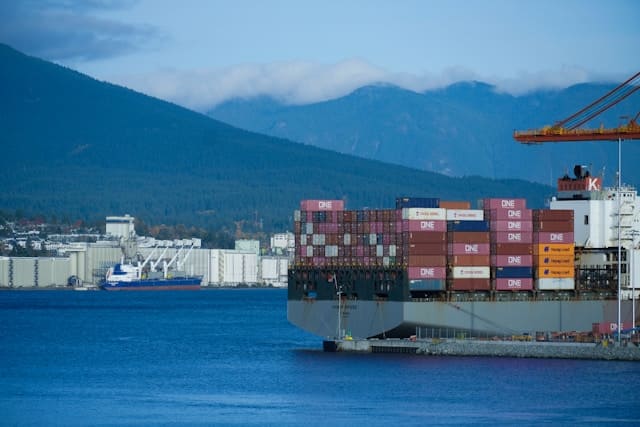
International trade by sea routes has gained significant popularity. This can be attributed to the opening of ports for the international shipment of goods. Sea freight comes with its complexities and risks; shipping goods by sea is always risky, and freight forwarding companies do everything possible to track the goods and ensure their safe delivery.
That said, sea cargo tracking is not easy, and sea freight companies need to adopt a range of technologies and techniques to ensure goods can be accurately tracked in real time. This is done to ensure the goods are delivered to the buyer. Sea cargo tracking is rapidly evolving, and several new and innovative trends are being adopted by sea freight forwarders.
Sea cargo tracking trends
Sea cargo undergoes several processes before reaching its final destination. The goods need to be procured, packed, and shipped to the freight forwarder. Sea cargo also requires several documents to be prepared and attached to ensure smooth customs clearance. Many technologies are finding their way into sea cargo movements, ensuring there are no problems in the processes involved in shipping and delivering goods by sea. Some sea cargo tracking trends that sea freight forwarders need to adopt or be aware of include:
-
Internet of Things
IoT enables freight companies to use sensors to track factors that affect the time a shipment takes to reach its destination. These sensors can monitor container location via GPS, detect temperature fluctuations for sensitive cargo, measure humidity levels, and even track shock or vibration that could damage goods. This technology also allows real-time monitoring of the shipped goods from one point to another, thereby enabling freight forwarders to anticipate disruptions and delays well in advance. When issues are detected, automated alerts notify stakeholders immediately, allowing for quick corrective action.
-
Artificial intelligence
Artificial intelligence is used by freight forwarders to forecast demand, analyze numbers of shipments, and plan shipments accordingly. It also allows freight companies to use algorithms for predictive logistics, enabling the selection of the most optimal routes for shipments to reach the destination safely.
-
Blockchain
When it comes to international sea cargo, many documents are involved and require processing. Blockchain technology is making it possible for sea freight companies to centralize all documentation digitally. This minimizes paperwork and also helps to reduce fraud.
-
Last-mile optimization
Sea freight companies are rapidly adopting last-mile optimization to deliver goods faster and more predictably. This technology uses automation, drones, and advanced analytics to easily handle the complex task of last-mile delivery.
-
Smart containers
A technology that is being adopted by freight companies these days is smart containers. Unlike traditional containers and boxes, which are tough to track and secure, smart containers are powered by technologies like artificial intelligence and IoT to provide updates on weather, location, temperature, humidity, and other factors to consider when shipping and delivering goods by sea.
-
Sustainability
Sustainability is the need of the hour for sea freighters. This is because vessels that use alternative fuels or ones that are energy-efficient are given preference when it comes to clearance and route choice. Maritime regulations are very strict with regard to emission control, and freight forwarders need to comply with these regulations for continuous business.
To sum it up
Sea cargo tracking is adopting digital and other technologies rapidly. This is because these technologies make tracking easy, convenient, and quick. Moreover, with real-time tracking, sea freight becomes less risky, and the freight forwarders can guarantee the safe delivery of the shipment at the destination. The use of various digital technologies also helps sea freight companies obtain maritime clearance more easily, allowing the business to continue.

